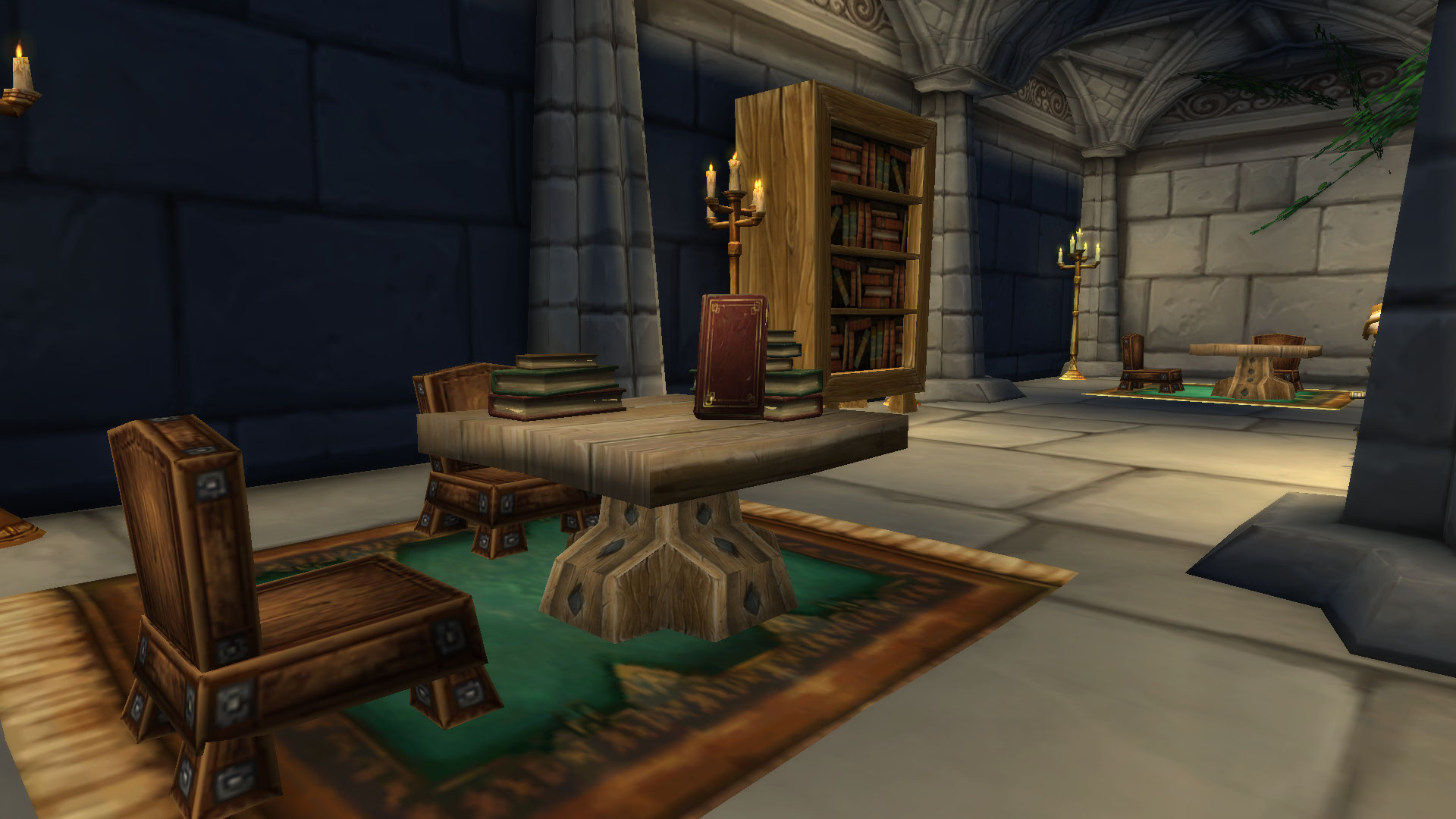
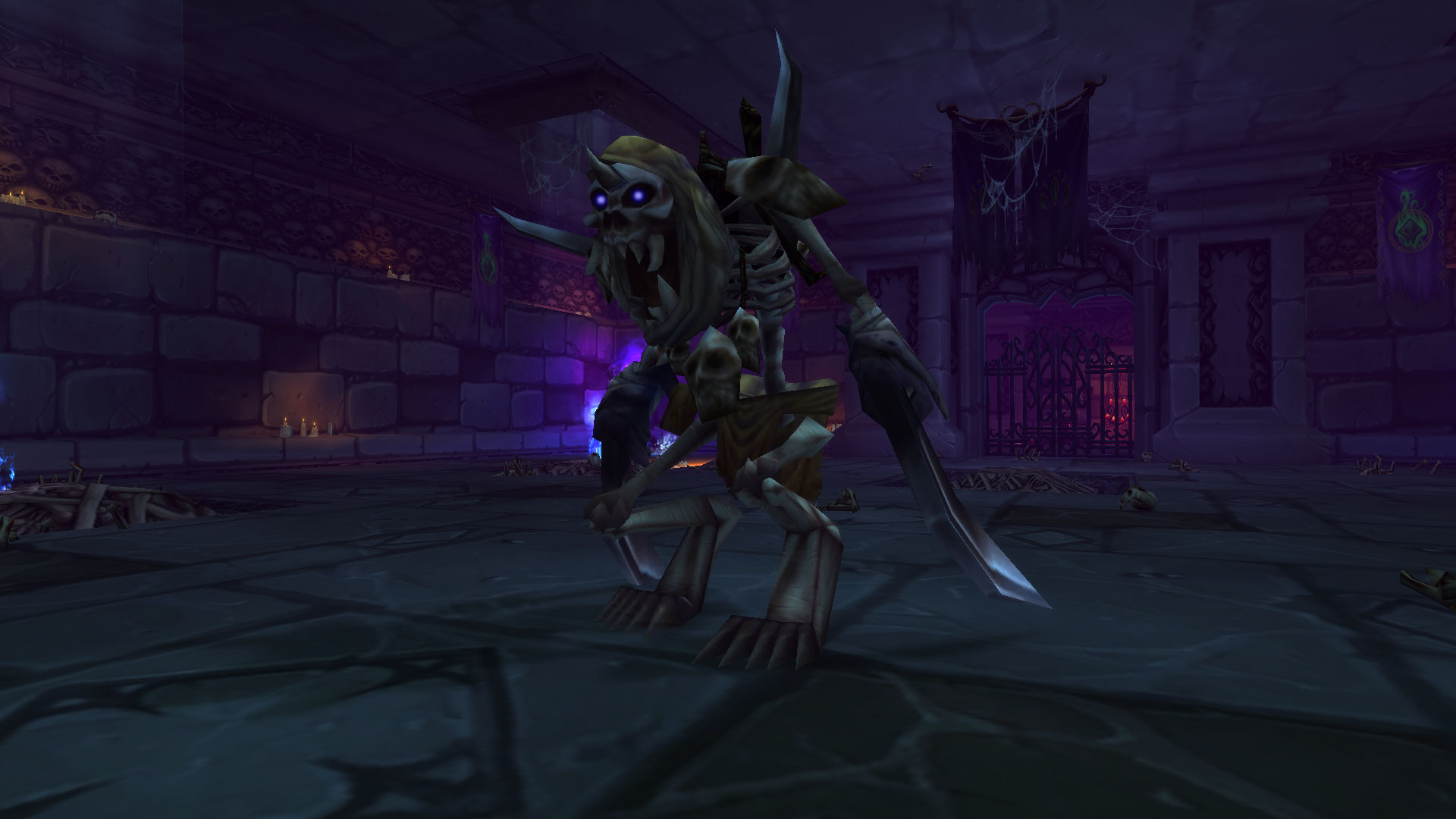
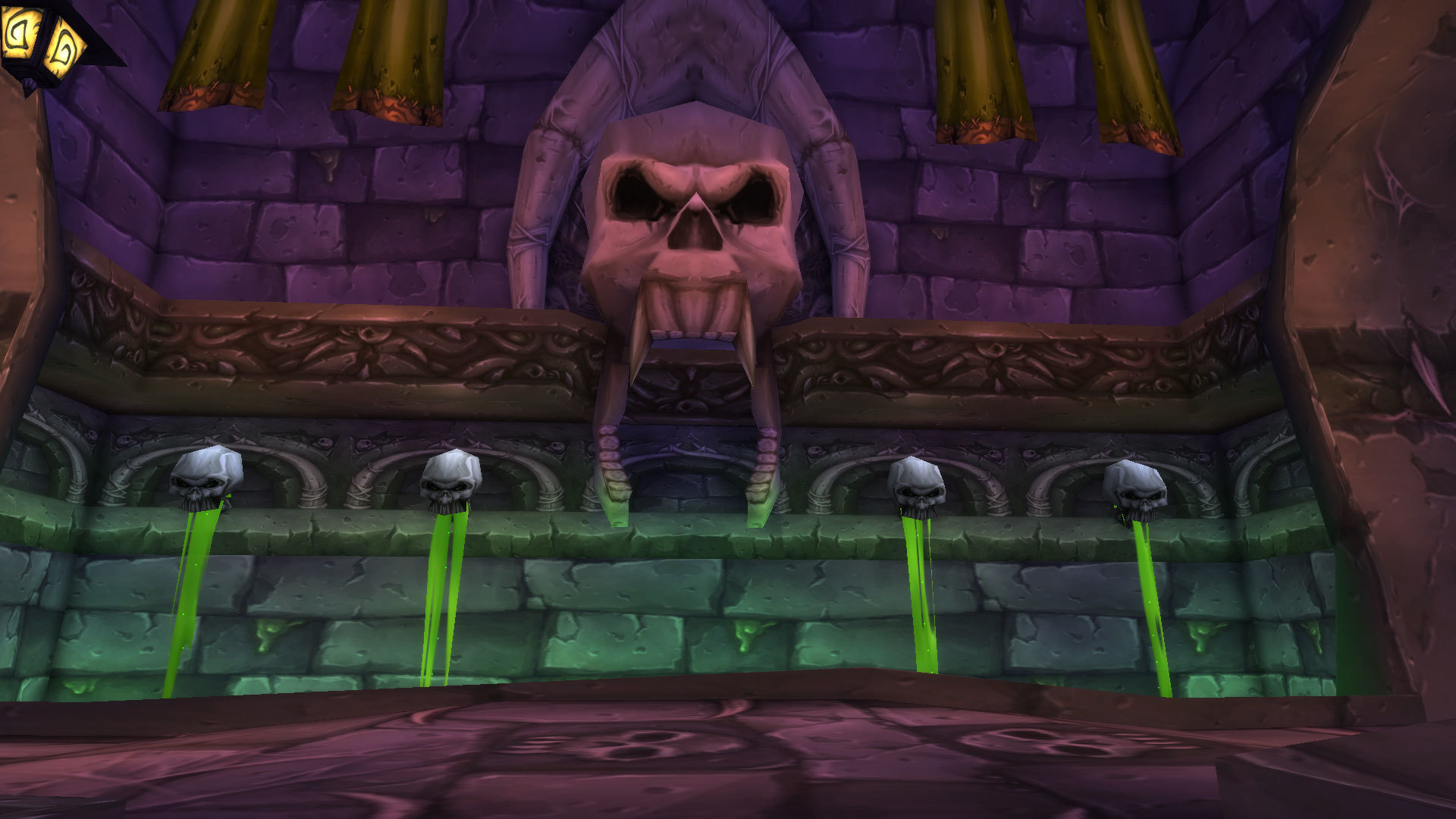
To get started with WoW Classic raids, you’ll need to grasp raid fundamentals, choose the right class and role for you, and gear up adequately. Initially, learn about typical raid structures—usually comprising 2 tanks, 5-6 healers, and the rest as damage dealers—and the importance of each. Study raid mechanics and boss fights via guides and videos, and guarantee you stock up on essential consumables like potions and food buffs. Communication with your team is key, so use voice chat to strategize effectively. With your gear checked for maximum durability and stats prioritized correctly, you’ll be well-prepared to face your first raid battle, promising even greater insights as you progress.
Key Takeaways
- Familiarize yourself with raid mechanics and boss strategies through guides and videos.
- Assemble a balanced team with roles like tanks, healers, and DPS according to class strengths.
- Stock up on essential consumables like potions, elixirs, and food buffs to enhance performance.
- Practice communication and coordination with your team using voice chat during raids.
- Participate in regular dungeon runs to acquire better gear and improve team dynamics.
Understanding Raid Basics

Why should you care about raid basics in WoW Classic? Understanding the fundamentals is vital to not only surviving but thriving in these challenging group encounters. When you grasp raid composition strategies and the different raid encounter types, you’ll considerably boost your team’s chances of success.
Raid composition strategies are essential. A well-balanced team usually includes a mix of damage dealers, healers, and tanks. The exact number of each can vary depending on the raid, but a typical setup might include two tanks, five to six healers, and the rest being damage dealers. This balance helps to manage the raid’s diverse challenges, from soaking up massive hits to healing through sustained damage.
Raid encounter types in WoW Classic can generally be categorized into a few groups: bosses that require heavy tank rotations due to their brutal attacks, those that test your team’s ability to handle waves of adds, and bosses that challenge your group’s coordination with complex mechanics like positioning and movement.
Each type demands specific tactics and roles from the team. For example, during a boss that spawns numerous adds, having damage dealers who can quickly switch targets and control the crowd is essential.
Choosing Your Class and Role
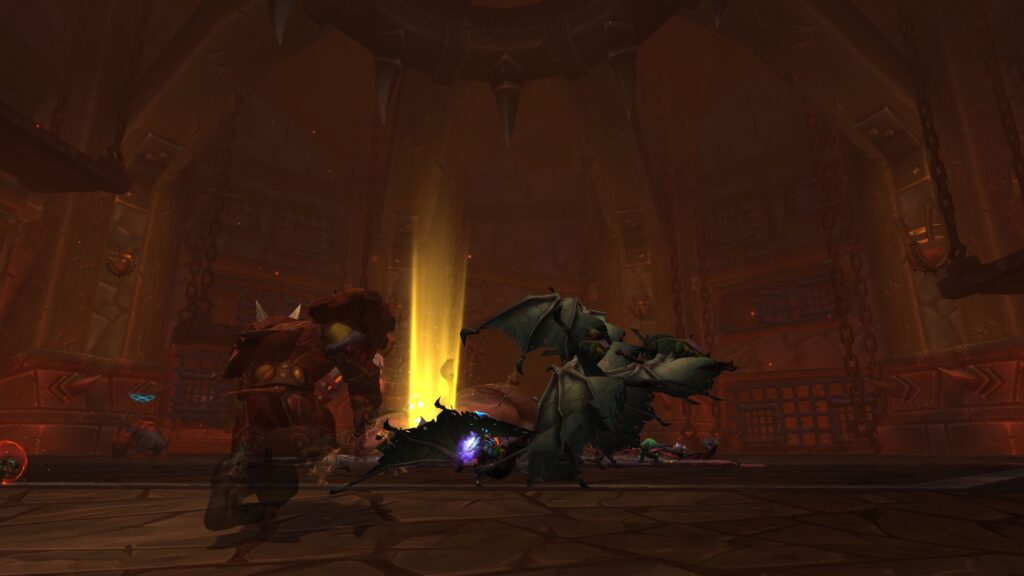
Once you understand the basics of raiding in WoW Classic, choosing the right class and role for you becomes the next critical step. It’s important to reflect on how you enjoy playing the game and how your choice will affect the raid team’s success. Each class and role has its unique strengths, and understanding these can help you make an informed decision.
Here are three key factors to reflect on when selecting your class and role:
- Class Synergy
- Some classes complement each other better than others. For instance, having a Paladin in your group can enhance the raid’s defense through powerful blessings, beneficial when paired with damage-absorbing classes like Warriors.
Choose a class that not only fits your playstyle but also enhances the overall group dynamics.
- Role Flexibility
- Reflect on how versatile the role you choose can be in a raid setting. For example, Druids can switch between healing, tanking, and DPS roles, providing you with more opportunities to fill gaps in your raid composition.
Flexibility can be a significant advantage, allowing you to adapt to different raid needs without switching characters.
- Personal Preference and Comfort
- Ultimately, the best class and role for you is one that you find enjoyable and comfortable to play for long periods. Raiding in WoW Classic can be time-consuming, and being content with your character’s abilities and role can enhance your gaming experience.
Choosing wisely by reflecting on class synergy, role flexibility, and personal comfort will help you contribute effectively to your raid team and enjoy your raiding experience.
Essential Raiding Gear
As you gear up for raiding in WoW Classic, it’s essential to understand how to effectively gather the best equipment.
You’ll need to prioritize your stats carefully to enhance your role’s performance, and learning which enhancements maximize your gear can greatly impact your success.
We’ll cover strategies for acquiring the right gear, insights into which stats are most beneficial for your class, and how to apply ideal enhancements to your raiding toolkit.
Gear Acquisition Strategies
Securing the right gear is vital before you plunge into your first raid in WoW Classic. As you prepare, understanding how to acquire the best gear can make a significant difference. Here’s how you can gather your raiding essentials:
- Gear Farming and Dungeon Runs:
- Regularly participate in dungeon runs. Dungeons not only offer a chance to practice group mechanics but also drop essential gear sets and loot.
- Keep an eye on loot tables to know which dungeons to target for specific items.
- Crafting and Trade Skills:
- Utilize trade skills like blacksmithing or tailoring to create item upgrades.
- Gathering crafting materials either through trade skills like herbalism or purchasing them from the auction house is vital.
- This approach is especially useful for acquiring rare gear that mightn’t drop frequently in dungeons.
- **Quest Rewards and *Reputation Grind***:
- Complete quests that offer gear as rewards. Some quests provide unique items that are raid-worthy.
- Additionally, focus on improving your reputation with different factions. Higher reputation levels often grant access to powerful gear sets available through vendors.
Stat Priority Insights
Understanding the right stat priorities is essential for enhancing your raid performance in WoW Classic. Each class has unique needs that dictate which stats you should focus on. For instance, if you’re playing a Warrior, you’ll want to prioritize Strength for increased attack power and Stamina for greater survivability.
On the other hand, Mages will benefit more from Intellect, boosting their mana pool and spell power.
Stat importance isn’t just about individual performance; it also involves class synergy. Raid compositions require a mix of different classes, each bringing their own strengths to the group. For example, having classes that can boost the overall mana efficiency or increase the resistance stats of the group can be significant during challenging encounters.
As a result, understanding not only your class’s stat priorities but also how they contribute to the group’s needs is vital.
To get started, consult class-specific guides that detail the best stats for your character. Remember, balance is key. While you might be tempted to stack one stat, neglecting others can lead to diminished returns and reduced overall effectiveness in raids.
Always consider how your gear choices impact both your role and your interaction with the team.
Optimal Gear Enhancements

Once you’ve identified your stat priorities, the next step is choosing the right gear enhancements to maximize your raid performance in WoW Classic. Selecting ideal enchant choices and the best gem combinations can greatly boost your effectiveness in raids. Here’s how you can optimize your gear:
- Enchantments: Invest in enchantments that align with your primary stats. For instance, if you’re a DPS class focused on agility, look for enchants that increase your agility or attack power.
Similarly, healers should seek out enchants that enhance intellect or spirit.
- Gemming: Choose gems that complement your desired stats. Don’t just go for the highest stats available—consider the color bonuses in your gear’s sockets.
Sometimes, the bonus for matching the socket color can outweigh a gem’s higher stats.
- Special Gear Enhancements: Don’t overlook specific items like trinkets or specialty gear that offer unique boosts or abilities.
These can provide essential advantages in certain raid scenarios.
Pre-Raid Preparation Checklist
Before diving into your first raid in WoW Classic, it’s imperative to gear up and plan strategically. Here’s a thorough pre-raid preparation checklist to guarantee you’re fully ready for the challenge.
First, you’ll need to stock up on consumables. Potions, elixirs, and food buffs can greatly enhance your performance. Don’t skimp on these—acquire enough to sustain several attempts.
Next, check your gear durability. Repair all items to avoid mid-raid breakdowns, which can be both inconvenient and costly.
Secondly, gather all necessary add-ons. These tools enhance your gameplay by providing critical information and interface improvements. Make sure they’re updated to the latest version to avoid any glitches during the raid.
Third, familiarize yourself with the raid’s mechanics. Study boss fights through guides or videos. Knowing what to expect can markedly reduce the learning curve and minimize mistakes.
Additionally, coordinate with your team beforehand. While we’re not diving into team formation yet, making sure everyone is on the same page regarding strategies and roles is fundamental. This avoids confusion and streamlines your raid efforts.
Lastly, confirm you have a stable internet connection and a backup plan in case of technical issues. Interruptions can be detrimental to your team’s progress.
Forming Your Raid Team
As you start forming your raid team, it’s vital to select class roles carefully; each class offers unique strengths that can greatly impact your team’s success.
Building team synergy is also important; you’ll want players who can effectively coordinate and communicate during challenging encounters.
Consider the balance and dynamics of your team to guarantee a smooth and successful raid experience.
Selecting Class Roles
Choosing the right class roles is essential when forming your raid team in WoW Classic. It’s not just about filling spots; it’s about understanding class synergies and role responsibilities to guarantee a balanced and effective team. Each class brings unique strengths that can greatly impact your raid’s success.
Here are three key aspects to take into account when selecting class roles:
- Tank Roles: Tanks hold the enemy’s attention away from the more vulnerable team members. Warriors are typically preferred due to their high resilience and ability to manage multiple enemies.
Understanding a tank’s role is vital; they must balance aggression with defense to protect their teammates.
- Healer Roles: Healers keep everyone alive. Priests are often chosen for their powerful healing abilities and versatility in managing different types of damage.
They must prioritize healing targets based on who’s taking the most damage and the overall needs of the raid.
- DPS Roles: Damage dealers are responsible for taking down enemies quickly. Mages and Rogues are popular choices due to their high output and specific abilities that can target weaknesses in the enemy’s defenses.
DPS must coordinate their attacks and focus on maximizing their damage while minimizing threat.
Building Team Synergy
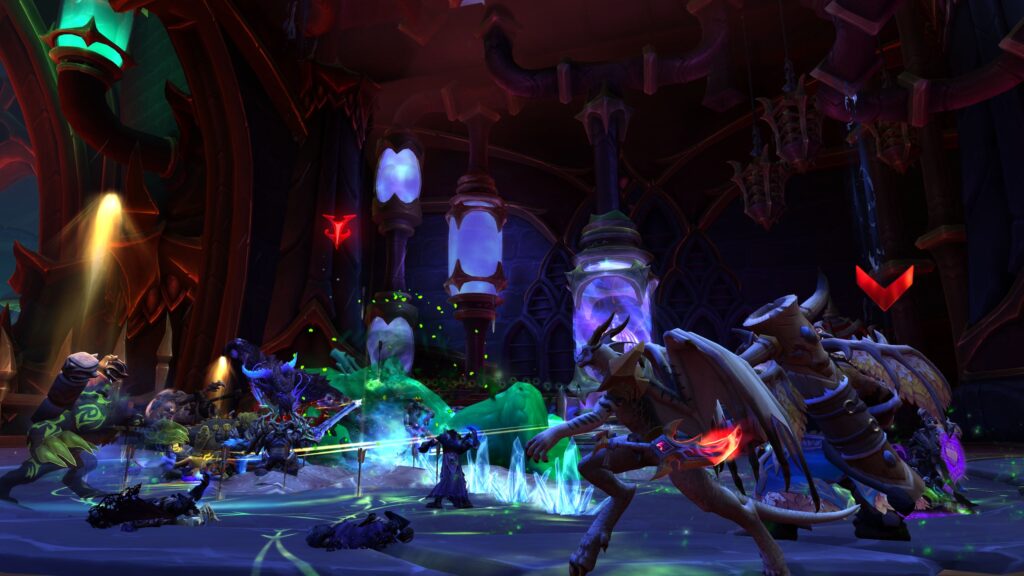
Having selected the ideal class roles for your raid team in WoW Classic, the next step is to focus on building team synergy. Effective team dynamics are essential; they transform a group of individual players into a cohesive unit.
Begin with synergy exercises that encourage members to understand and appreciate each other’s unique abilities and communication styles. This might include discussing strategies in forums or conducting practice runs that highlight each role’s responsibilities.
It’s also important to establish clear communication styles. Decide early whether you’ll use voice chat or text messages during raids and make certain everyone is comfortable with the chosen method. This prevents misunderstandings and streamlines coordination.
Conflict resolution mechanisms are another key aspect. Disagreements will happen, but setting up a respectful process for addressing conflicts can prevent them from undermining the team’s morale.
Trust building activities, such as sharing personal gaming experiences and successes, can strengthen bonds and foster a supportive environment.
Lastly, maintain role clarity. Everyone should know their specific duties and how they contribute to the team’s objectives. This clarity not only boosts individual confidence but also enhances overall team performance.
Learning Boss Mechanics
When you’re ready to tackle boss mechanics in WoW Classic raids, it’s vital to study each boss’s unique patterns and abilities. Understanding these can be the difference between a smooth raid and a frustrating wipe. Each boss in WoW Classic comes with its own set of challenges that require specific strategies and knowledge to overcome.
Here’s a brief guide to help you out:
- Research and Prepare: Before you even step into the raid, make sure you’ve done your homework. Look up guides or videos that break down each boss fight. Pay special attention to the boss abilities that can wipe your group if not handled correctly.
- Practice Makes Perfect: Use dungeons and smaller raids to practice. They’re great training grounds for learning how to react quickly to boss abilities and coordinate with your team on encounter strategies.
- Learn from Each Attempt: Every failed attempt at a boss is a learning opportunity. Discuss what went wrong and what could be done differently next time. This iterative process is fundamental in mastering raid encounters.
To excel in raids, you’ll need to grasp the nuances of each encounter. This involves recognizing when to dodge, when to attack, and when to hold back.
Coordination with your team is key, as many boss abilities require multiple players to work together seamlessly. Remember, patience and persistence are your best tools. With each raid, you’ll gain invaluable experience that will make you a better player, ready to face even tougher challenges.
Effective Communication Strategies
As you explore raiding in WoW Classic, effective communication becomes indispensable. To succeed, you’ll need to master various communication techniques that enhance team dynamics.
First, consider using voice chat tools like Discord or Teamspeak. These allow you to convey complex strategies quickly and respond to changing situations in real-time.
You should also establish clear roles within your raid group. Assign a leader who’ll make strategic decisions and call out instructions. Additionally, designate class-specific roles such as healers or damage control to focus on particular aspects of the raid. This structure keeps everyone on the same page and minimizes confusion.
Another essential component is the use of concise and clear language. In the heat of battle, lengthy explanations can lead to mistakes. Use short, direct commands and guarantee that your terminology is understood by all members of the raid team. It’s helpful to agree on specific phrases or keywords before the raid begins.
Feedback is a cornerstone of improving team dynamics. After each raid, take time to discuss what went well and what could be improved. This open line of communication helps identify weak spots and strengthens your overall strategy for future raids.
Lastly, always maintain a positive attitude. Raids can be challenging, and frustration can easily build. A supportive environment fosters better teamwork and keeps morale high, which is essential for conquering the toughest bosses.
Handling Loot Distribution
In WoW Classic, managing loot distribution effectively is vital for maintaining harmony within your raid group. Different methods cater to various group dynamics and fairness perceptions. Here’s a closer look at your main options and some loot etiquette tips to keep in mind.
1. Loot Council
A loot council involves a small group of trusted players who decide who gets loot based on several factors like performance, attendance, and need. This method guarantees items are distributed to those who benefit the raid the most.
However, it requires trust and transparency to prevent feelings of favoritism.
2. Personal Loot
Personal loot automatically distributes items to raid members based on their class and specialization. This system is fairer in distribution but can result in less ideal gear spread since it doesn’t consider the overall needs of the group.
3. Rolling System
The rolling system is the simplest form of loot distribution. You’ll roll a random number, typically out of 100, and the highest roll wins the item.
This method is easy to implement but can lead to randomness in who gets geared first.
Maintaining loot etiquette is important, regardless of the system used. Always be respectful when you win or lose an item.
Don’t argue over loot during the raid, as it can kill morale. Instead, if you’ve got concerns, bring them up with raid leaders after the session.
Dealing With Raid Challenges
Facing raid challenges head-on is essential for any newcomer to WoW Classic. You’ll find that understanding raid strategies and overcoming obstacles are key to your team’s success. Here’s how you can effectively handle these challenges.
Firstly, familiarize yourself with each raid’s unique mechanics. Every raid in WoW Classic has its own set of rules and enemy behaviors. You’ll need to know these inside and out.
Study boss fight strategies in advance and watch video guides if possible. This pre-raid preparation can make a huge difference in your performance.
Communication is another cornerstone of successful raiding. Always stay connected with your team through voice chat. Clear, concise communication can help you coordinate strategies and adapt to unexpected situations.
Don’t be afraid to speak up if you’re confused or need assistance; it’s better to ask than to make a costly mistake.
When you’re in the thick of the action, managing your resources wisely becomes essential. Keep an eye on your mana or energy levels and use your abilities judiciously.
Timing your spells and attacks can maximize your effectiveness and prevent wastage.
Lastly, adaptability is crucial. No matter how well you prepare, unexpected events can and will occur.
Be ready to tweak your approach and think on your feet. Whether it’s adjusting your position, switching targets, or modifying your attack plan, flexibility can often be the difference between victory and defeat.
Post-Raid Analysis and Feedback
After your raid concludes, taking the time to analyze your performance and gather feedback is key to improving. This post-raid reflection isn’t just about critiquing but understanding what went well and where you can enhance your skills and strategies.
Constructive feedback from your team members will be invaluable as you prepare for future raids.
Here are three essential steps to effectively analyze and learn from each raid:
- Review Raid Logs: Explore the raid logs to see detailed metrics about damage dealt, healing done, and damage taken. Identify moments where the team’s performance dipped or peaked and discuss what led to those outcomes.
This objective data helps pinpoint strengths and weaknesses without bias.
- Group Discussion: Hold a post-raid meeting where everyone can share their perspective. Focus on constructive feedback, avoiding personal blame. Discuss what strategies worked, what didn’t, and how communication can be improved.
This collaborative approach fosters a supportive environment and collective growth.
- **Set *Actionable Goals***: Based on the feedback and data gathered, set specific, measurable goals for each team member and the group as a whole. Whether it’s improving DPS metrics, mastering a particular boss mechanic, or enhancing *team coordination*, having clear goals gives everyone a focused path to improvement for the next raid.
Implementing these steps after every raid not only boosts your team’s performance but also builds camaraderie and a deeper understanding of the game mechanics.
Frequently Asked Questions
How Long Does a Typical Wow Classic Raid Last?
A typical raid lasts about 4 to 6 hours, but it depends on your team’s experience and preparation. You’ll need to invest time in raid preparation to guarantee you’re ready for the challenges ahead.
Can I Raid With a Trial Account in Wow Classic?
You can’t raid with a trial account in WoW Classic due to trial account limitations. You’ll need a full account to access raid options and participate in those higher-level gameplay experiences.
What Are the Penalties for Leaving a Raid Early?
Leaving a raid early can disrupt group dynamics and breach raid etiquette. You’ll likely face social penalties, such as not being invited back, rather than formal game penalties, affecting your reputation with other players.
Are There Age Restrictions for Participating in Wow Classic Raids?
No, there aren’t specific age limits for raid eligibility in WoW Classic. You just need to meet the game’s overall age requirement and have a character appropriately leveled and equipped for raiding.
How Does Server Choice Affect Raiding in Wow Classic?
Choosing a server with a high population guarantees more raiding opportunities. However, if the faction balance is skewed, you might face competition or collaboration issues, impacting your raiding experience in WoW Classic.
Conclusion
You might worry that raiding in WoW Classic is too complex, but with the right preparation, it’s entirely manageable. Start by mastering the basics and carefully selecting your class and role. Equip yourself with essential gear and finalize your preparations with our checklist. Assemble a communicative and cooperative team, fairly distribute loot, and tackle challenges together. After each raid, discuss what went well and what could improve. This cycle of preparation and reflection will make you a formidable raider.