You might not be aware that in WoW Classic, the formula for calculating threat is nonlinear, which can drastically affect your raid’s dynamics. As a player, you’re responsible for managing your threat level no matter your role, be it tank, DPS, or healer. Tanks should focus on using their highest threat abilities, while DPS must time their attacks carefully and use threat-reducing techniques. Healers have to balance healing output with threat generation, often a tightrope walk in intense battles. Understanding and mastering these nuances is essential, especially if you’re aiming for those high-stakes, end-game raids. So, how do you guarantee your team’s success by effectively managing threat and aggro? Let’s explore the strategies that can keep your raid smoothly running and your characters out of the graveyard.
Key Takeaways
- Utilize threat monitoring add-ons like Omen Threat Meter to keep track of relative aggro levels in real-time.
- Tanks should prioritize high-threat abilities and maintain consistent aggro rotation to control mobs effectively.
- DPS players need to manage their damage output to avoid surpassing the tank’s threat, using staggered attacks when needed.
- Healers should employ low-threat spells and aggro-reducing abilities like Fade to manage their threat level during intense healing phases.
- Regular communication and coordination with the raid team are essential to adapt strategies and ensure effective aggro management.
Understanding Threat Mechanics
In World of Warcraft Classic, mastering threat mechanics is vital for controlling the flow of combat in raids. When you’re in a raid, understanding how threat generation works and how aggro transfer operates can make the difference between a clean kill and a chaotic wipe. Let’s explore these concepts more thoroughly.
Threat is fundamentally a numerical value that every action in combat contributes towards. If you’re dealing damage or healing, you’re generating threat. However, different actions generate different levels of threat. For instance, a warrior’s attack might generate more threat than a mage’s spell, depending on their respective roles and the abilities they use.
As a rule, the player with the highest threat on a mob’s threat list will have its attention, holding “aggro.” This is where aggro transfer techniques become significant. You’ll need to manage your aggro if you’re not the designated tank. Spells like Fade for priests or Feign Death for hunters can reduce your threat level, effectively lowering your position on the aggro list, allowing someone else to take the lead.
Moreover, tanks have abilities specifically designed to boost their threat generation, ensuring they keep the mobs focused on them and not on the more vulnerable members of the raid. Understanding when to ramp up or dial down your threat generation is key to mastering raids.
Roles and Responsibilities
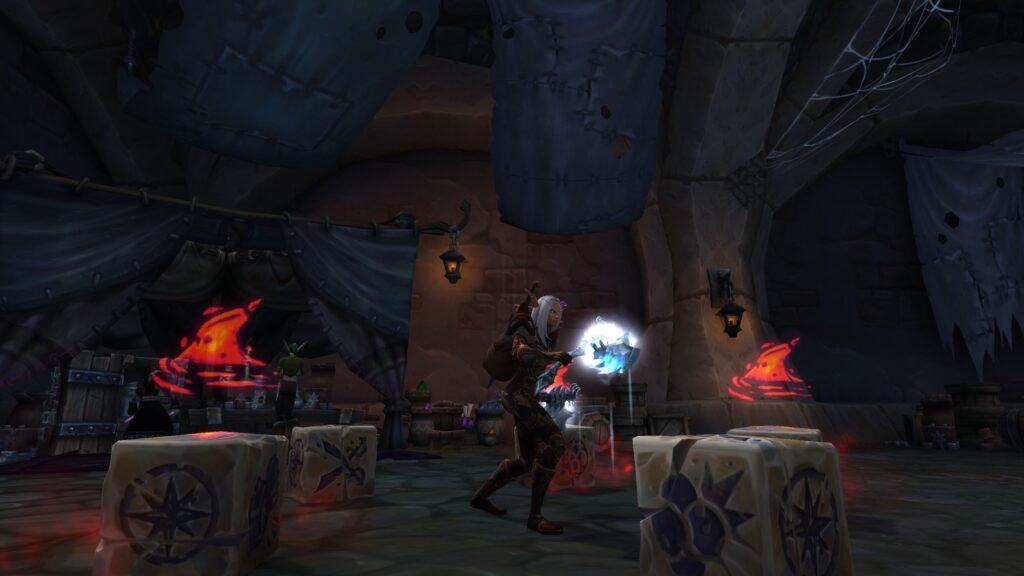
As you venture into managing threat and aggro in WoW Classic raids, it’s essential to clearly define each player’s raid role. You’ll need to coordinate who manages aggro to guarantee that your team can sustain through the toughest battles. Understanding and executing your specific responsibilities can make or break your raid’s success.
Defining Raid Roles
Understanding the specific roles and responsibilities within a WoW Classic raid is essential for a successful team. First, you’ve got your tank types—these are your front-line heroes. Whether you’re a Warrior using high threat generation skills or a Druid focusing on flexibility and survival, your main job is to keep the baddies focused on you, away from the more vulnerable team members.
Next up, the DPS (damage per second) roles. Your task is simple: deal as much damage as possible. However, managing your threat level to avoid pulling aggro off the tanks is important. Whether you’re a Rogue expertly handling aggro transfers or a Mage synergizing spells with other classes, you play a key role in the raid’s offense.
Then, there are the healer responsibilities. You keep everyone alive, balancing healing output with mana conservation, and sometimes, you’ll need to manage threat too, especially when using high-aggression healing spells.
Understanding raid composition is essential—knowing which class combinations work best can greatly enhance your team’s effectiveness. Class synergies can make or break a raid. And remember, role flexibility can be the key to adapting to unexpected situations, ensuring your raid isn’t just powerful, but versatile.
Coordinating Aggro Management
To effectively manage aggro in raids, each team member must understand and execute their roles with precision. As a tank, you’re the front line, actively managing the aggro through consistent damage and using abilities that boost your threat level. It’s essential you’re aware of aggro transfers, which occur when another player momentarily takes the lead in threat generation. This can be strategic but risky.
DPS players, you need to monitor your output to avoid overtaking the tank’s threat, especially during vital aggro transfers or after threat resets. Threat resets, where the monster momentarily loses its target due to a game mechanic or player ability, require quick re-establishment of aggro by the tank. During these moments, DPS and healers should minimize activity to avoid unwanted attention.
Healers, your role isn’t just about keeping everyone alive; it’s also managing the threat your healing generates. Use aggro-reducing abilities wisely and stay aware of your position in the threat hierarchy, particularly after threat resets.
Aggro management is a team effort. Communication and understanding everyone’s role in these dynamics are key. You’ll need to adapt quickly to changes, ensuring your team can continue the fight with minimal disruption.
Essential Add-Ons for Monitoring
Several vital add-ons can greatly enhance your ability to monitor threat and aggro levels during WoW Classic raids. It’s important to have the right monitoring tools at your disposal, and here are some top add-on recommendations to help you stay ahead.
Firstly, consider “Omen Threat Meter.” This add-on is invaluable for keeping track of your threat level relative to other group members. It provides a detailed and dynamically updating list of threat levels, so you can adjust your actions in real-time. Omen’s clarity and precision make it a must-have for any serious raider.
Another excellent tool is “Details! Damage Meter.” While primarily known for tracking DPS, Details! also offers modules for monitoring threat. This feature allows you to see not just your own threat, but how it compares to others, helping prevent unwanted boss aggro shifts.
For a more extensive solution, “ThreatClassic2” is a streamlined option that focuses solely on threat levels. It’s lightweight and extremely effective, offering real-time threat data without cluttering your screen.
Lastly, “ClassicThreatMeter” is another straightforward tool that mirrors the functionality of more complex systems but with an easier-to-understand interface. It’s perfect if you’re looking for something that won’t require much configuration.
These add-ons aren’t just helpful; they’re practically vital for mastering threat management in WoW Classic. By integrating these tools into your gameplay, you’ll not only improve your personal performance but also enhance the overall effectiveness of your raid group. Stay equipped, stay informed, and most importantly, stay ahead in the aggro game.
Tank Strategies for Maximizing Aggro

While mastering threat and aggro through add-ons is essential, effectively managing these elements as a tank involves specific strategies. You’ve got to master tank positioning and taunt timing to keep mobs glued on you and not rampaging through your raid.
Firstly, focus on your tank positioning. Always position yourself such that you maximize your ability to control the mob and minimize damage to yourself and your raid. For instance, if you’re dealing with a cleaving boss, angle it away from the group to prevent widespread damage.
Next, taunt timing is critical. It’s not just about using taunt whenever it’s off cooldown. You need to anticipate when DPS might pull aggro and preemptively use your taunt to maintain control. This foresight keeps the mob on you and maintains raid stability.
Here’s a quick guide to help you visualize these concepts:
| Strategy | Description |
|---|---|
| Positioning | Keep mobs away from the group, angle bosses, use line-of-sight |
| Taunt Timing | Anticipate DPS spikes, use taunt preemptively |
| Aggro Rotation | Use high-threat abilities in a consistent order |
| Communication | Coordinate with other tanks and raid leaders |
Utilizing a consistent aggro rotation also plays a big part. Stick to a sequence of high-threat abilities to steadily build and maintain aggro. Finally, don’t forget to communicate effectively with your fellow tanks and raid leaders. Sharing insights on mob behavior or incoming attacks can make or break a raid encounter. By combining these strategies, you’ll solidify your role as the cornerstone of your raid’s success.
DPS Guidelines for Threat Management
As a DPS player, you need to keep a close eye on threat meters to guarantee you’re not pulling aggro from the tank. Balancing your DPS output is vital; if your damage is too high too quickly, you risk overtaking the tank’s threat level. Don’t forget to use your threat reduction skills strategically to manage your aggro throughout the fight.
Monitoring Threat Meters
Understanding how to monitor threat meters is essential for every DPS player in managing aggro during WoW Classic raids. Typically, you’ll use add-ons like Omen or ClassicThreatMeter to keep an eye on your threat levels relative to others in your raid group. These tools provide real-time data, showing how close you’re to overtaking the tank in threat generation.
Threat monitoring isn’t just about watching numbers climb; it’s about understanding the implications of those numbers. You need to develop aggro awareness—recognizing when your actions might pull attention from the tank. This involves not only keeping tabs on your position in the threat rankings but also gauging how your abilities impact those rankings. For example, high-damage spells or abilities can spike your threat dramatically if not timed correctly.
It’s vital to remember that staying slightly below the tank in the threat list is your sweet spot. If you notice your threat creeping too close to or surpassing the tank’s, you might need to ease off or use threat-reducing abilities to lower your profile. By effectively managing your threat, you contribute to the overall stability and success of the raid, ensuring that the tank maintains control of the mob and the group remains safe.
Balancing DPS Output
After mastering threat meters, your next challenge is to optimize your DPS output without jeopardizing raid stability. Balancing your damage output with threat generation is key to keeping both you and your raid safe. Here’s how you can maintain high DPS without pulling aggro from the tank:
- Stagger Your Damage: Don’t unload all your powerful abilities at once. Start with a moderate pace and increase your damage as the tank builds more threat. This technique prevents sudden spikes in threat that can lead to unwanted attention from the boss.
- Monitor Real-time Threat: Keep an eye on your position in the threat meter. If you’re climbing too close to the top, ease off your attacks slightly to allow the tank to re-establish a solid threat lead.
- **Optimize Your *Damage Rotation***: Develop a damage rotation that maximizes efficiency without generating excessive threat. This often means prioritizing *consistent, sustainable DPS* over burst damage, especially in the initial phases of the encounter.
- Communicate with Your Team: Coordination with your tank and other DPS players can help manage overall threat levels. If someone is at risk of overtaking the tank in threat, a quick adjustment can prevent a disaster.
Using Threat Reduction Skills
While optimizing your DPS is vital, effectively using threat reduction skills is equally important in maintaining raid stability. As a DPS player, you’ve got a toolkit that includes several abilities designed to manage your threat level. It’s important to understand when and how to use these to prevent pulling aggro from the tank.
Firstly, know your class’s specific threat reduction skills. For instance, Rogues have “Feint,” which drastically reduces threat, whereas Mages can use “Ice Block” to momentarily drop all threat. Timing these skills can be the difference between a smooth run and a chaotic wipe. You’ll want to deploy these abilities precisely when your threat starts creeping too close to the tank’s.
Moreover, coordinating with other DPS teammates about when they’re managing their threat can help maintain a balanced offensive without overwhelming the tank. Remember, it’s not just about hitting hard—it’s about hitting smart.
Lastly, keep an eye on threat meters, tools that provide real-time insight into your relative threat level. These meters can guide when to activate your threat reduction skills, allowing you to maximize DPS without jeopardizing the group’s strategy. By mastering the art of threat management, you secure your raid’s success and longevity.
Healing Without Gaining Aggro
When you heal in WoW Classic raids, managing your aggro is essential to avoid drawing enemy attention away from the tank. Each healing spell you cast generates threat, proportional to the amount of health restored. To effectively heal without accruing unnecessary aggro, follow these strategic approaches:
- Use Fade Regularly: If you’re a Priest, Fade becomes your best friend. It temporarily reduces your threat level, giving you a brief reprieve to heal without topping the aggro list.
- Opt for Low Threat Spells: Some healing spells generate less threat than others. For example, HoTs (Heal over Time spells) like Rejuvenation or Renew are generally less aggressive in threat generation compared to high-impact, single burst healing spells.
- Heal Those with High Threat: Keep an eye on the threat meters. Direct your healing spells towards players who are higher on the aggro list, as they can afford a bit more threat without risking a pull.
- Coordinate with Other Healers: Communication is key in raids. Coordinate who heals who, balancing the heal distribution to minimize sudden spikes in individual threat levels.
Advanced Techniques and Team Coordination
As you master individual roles and basic coordination, you’ll find that advanced techniques can greatly enhance your raid’s performance in WoW Classic. One key strategy is aggressive positioning. This involves placing your raid members in locations that maximize their ability to control mobs while minimizing the risk of pulling additional aggro. For example, your tanks should position themselves at specific choke points to intercept enemies effectively. Meanwhile, DPS (damage per second) classes need to stay back, just within their attack range, to avoid unwanted attention.
Communication strategies are vital in executing these plans. Always confirm you’re using voice communication tools efficiently; clarity can make or break a raid. Assign clear roles for calling out targets and changes in the battle dynamics. It’s also helpful to designate a raid leader who can oversee the overall strategy and make adjustments on the fly. This leader should be well-versed in every class’s capabilities and limitations to make informed decisions quickly.
Regularly practice these techniques. Set up drills where your team can simulate different scenarios, focusing on positioning and communication. These sessions should help everyone understand their roles deeper and react more intuitively during actual raids.
Furthermore, make use of add-ons and macros that can aid in communication and positioning. Tools like threat meters and custom alert systems can provide real-time data that enhances decision-making and reaction times. Remember, the goal is to synchronize as a unit, minimizing mistakes and maximizing efficiency. With these advanced techniques, your raid group will handle threats more effectively, leading to smoother, more successful raid encounters.
Conclusion
In WoW Classic raids, managing threat is like steering a ship through stormy seas; every role has a vital part to play. As a tank, you anchor the team, pulling heavy aggro to keep the mob’s focus. As DPS, you must gauge your firepower, avoiding threat spikes. Healers, use your tools wisely to heal without capturing unwanted attention. By utilizing essential add-ons, understanding your role, and coordinating as a team, you’ll navigate these turbulent waters successfully, ensuring a smooth and victorious raid.