40-man raiding in WoW Classic feels truly epic due to its grand scale and dynamic encounters, demanding precise coordination and strategic execution among 40 players. This creates a sense of camaraderie as you and your team tackle legendary bosses, with each player’s role essential to success. The raid’s complexity promotes teamwork and community building, while the historical significance and nostalgic memories enhance the experience. Discover more about this legacy of epic adventures.
Key Takeaways
- The epic scale of 40-man raids creates a large-scale battle atmosphere requiring precise coordination and communication.
- Iconic bosses with unique challenges and dynamic environments enhance the visual spectacle and immersive experience.
- Diverse class compositions and strategic adaptability allow for role inclusivity and tactical execution.
- Shared experiences and teamwork foster strong community bonds and nostalgia among players.
- Significant loot and rewards motivate teams to tackle legendary challenges together.
The Sheer Scale and Epic Encounters
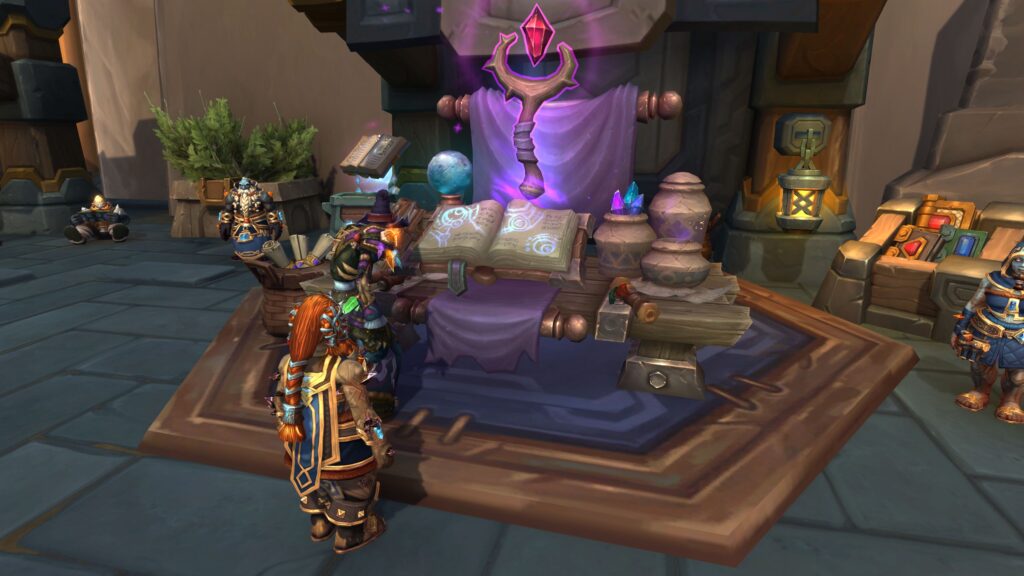
In the domain of World of Warcraft Classic, the sheer scale of 40-man raids sets the stage for epic encounters that are a hallmark of the game’s history. When you step into these massive raids, you’re part of a community of 40 players, each contributing to an epic atmosphere that resembles large-scale battles. The battle mechanics in these encounters are intricate, requiring precise coordination and communication among players. You and your team must achieve player synergy to effectively handle the iconic bosses that await, each presenting unique challenges with their complex mechanics. The presence of larger groups allows for interclass interactions and camaraderie, creating a vibrant social environment where players learn from each other and share strategies. As current raid scaling mechanics ensure that bosses and mobs do not lose health below a certain threshold, it allows for a consistent challenge regardless of player availability, maintaining the epic nature of these encounters. As you navigate the dynamic environments of these raids, the visual spectacle of so many players engaged in combat is truly enthralling. This epic scale not only enhances the overall experience but also fosters a strong sense of community. Successfully defeating these bosses yields significant loot and rewards, motivating you and your team to tackle these legendary challenges together. The dynamic raid scaling system ensures that even smaller groups can experience the epic nature of these encounters, allowing more players to participate and enjoy the end-game content.
Complexity and Strategy in Large-Scale Raids
While 40-man raids in World of Warcraft Classic present a formidable challenge, they also offer a rich tapestry of complexity and strategy that smaller raids can’t match. The diversity of class and spec compositions means you can incorporate less common specs, allowing for role adaptability and minimizing reliance on specific meta specs. With more players, tactical execution becomes vital, as each member must fulfill their specific role while remaining flexible to adapt to changes during the encounter. The sense of community and shared purpose in such a large raid can enhance the epic feel that many players nostalgically associate with the game. Despite current content being designed for 20-player teams, concerns about future requirements highlight the need for clear communication regarding raid sizes. As raid sizes increase, there is a potential for group leaders to fall into meta traps despite personal preferences, emphasizing the importance of balancing class roles and buffs.
- Role Distribution: Spread responsibilities across tanking, healing, and DPS for varied strategies.
- Flexibility in Mistakes: Larger raids are more forgiving, encouraging recovery and learning.
- Class and Spec Diversity: Accommodate a wide range of roles, enhancing inclusivity.
Effective communication is essential to coordinate actions and manage resources efficiently. The ability to adapt and improvise during boss fights is pivotal, as unexpected events can necessitate quick strategic adjustments without resulting in a total wipe.
Leadership and Coordination Challenges
Successfully leading and coordinating a 40-man raid in World of Warcraft Classic demands a high level of skill and organization, as each raid leader must juggle multiple responsibilities while keeping the team aligned with the overall strategy. Delegation dynamics play a vital role; you must effectively assign duties like tank assignments and kill target orders to specific members to guarantee smooth operations. Your communication strategies are essential, as you need to deliver clear, concise instructions to avoid confusion among 40 players. Larger raid groups require more players, reducing individual accountability, which can affect the overall performance of the team. Although nostalgia for 40 man raids may cloud judgment, many players now prefer smaller, more manageable groups due to the logistical challenges. Coordination challenges are significant, requiring you to synchronize efforts without focusing solely on precision, as sheer numbers often compensate for minor discrepancies. Managing logistical issues, such as distributing resources like potions and buffs, adds to your responsibilities. Furthermore, varied work schedules can impact raid attendance, adding another layer of complexity to organizing these large-scale events. Additionally, you face pressure to maintain morale, especially when dealing with inexperienced players or setbacks. Time management is key, as scheduling raids can be difficult with conflicting schedules within such a large group.
Guild Dynamics and Community Building
Steering through the complex terrain of guild dynamics and community building in World of Warcraft Classic requires strategic foresight and adaptability. In the domain of raid culture, guilds face the challenge of recruitment and retention, where maintaining a consistent roster can be challenging due to player turnover and burnout. To combat this, guilds often over-recruit, balancing the need for enough members with fostering community cohesion. The absence of flying mounts in Vanilla Classic added an extra layer of challenge, as travel to raid locations was risky and required careful planning to avoid losing valuable buffs.
- Larger guilds must navigate intricate management systems, ensuring effective communication and defined roles. Officers play a pivotal role in managing logistics, strategies, and player expectations. Clear goals and expectations are essential to motivate and focus the guild. Limit Guild, for example, emphasized effort over time commitment, allowing flexibility for players while maintaining a competitive edge.
Community engagement thrives as larger raids offer a sense of epicness, where each player’s contribution feeds into a larger narrative. However, the structure can lead to smaller communities struggling, sometimes resulting in disbandment or mergers. Despite these hurdles, the shared experience of a 40-man raid can create lasting bonds. Smaller raid sizes encourage more players to attempt and clear content, facilitating easier recruitment and retention.
Social Interaction and Inclusivity
As guild dynamics and community building lay the groundwork for a cohesive raid environment, social interaction and inclusivity further enhance the 40-man raiding experience in World of Warcraft Classic. You’re part of a large group, which allows for diverse interactions and the formation of strong social bonds. These raids bring together a broad range of personalities, fostering inter-class communities where players share strategies and collaborate. The need for coordination can be challenging, but it also creates opportunities to learn and grow with others. With larger raid sizes, the historical context of 40-man raids showed that simpler mechanics made these massive battles manageable, despite the potential for technical limitations. In contrast to ten-man raids, the larger raid sizes in Classic reduce the impact of individual underperformance, promoting a more forgiving environment. Inclusivity in 40-man raids means you don’t face the same stringent recruitment checks as smaller groups, allowing players of diverse skill levels to participate. The forgiving environment reduces elitism, encouraging guilds to welcome more players, even those not in meta specs. With less pressure, you experience a sense of belonging and the epic feel of tackling massive challenges alongside your fellow guild members.
Historical Significance of 40-Man Raids
Though often remembered fondly by the World of Warcraft community, 40-man raids in WoW Classic hold significant historical value in the evolution of the game. These raids, with their intricate raid design, were instrumental in defining the game’s initial experience. They set WoW Classic apart, requiring players to assume specific roles, each essential for the group’s success. The sheer size of these raids presented unique challenges in player coordination and game balance, influencing future expansions that reduced raid sizes for more streamlined encounters. The confirmation of 40-player raids remaining in the Season of Discovery highlights their enduring appeal and the developers’ commitment to preserving this part of the game’s legacy.
- Iconic 40-man raids: Molten Core, Onyxia’s Lair, Blackwing Lair, Temple of Ahn’Qiraj, and Naxxramas.
- Community impact: Fostering cooperation and a strong sense of camaraderie among players.
- Legacy and influence: Shaped the raid design of future WoW expansions.
The organizational skills necessary to manage such a large group underscored the complexity and depth of these epic adventures, leaving a lasting impression on the game’s development.
Nostalgia and Player Preferences
Nostalgia plays a significant role in how players perceive 40-man raids in WoW Classic, often highlighting the social aspects and epic scale that defined these experiences. These nostalgic memories stem from the sense of community and teamwork required to coordinate such massive groups, making every raid a unique player experience. You’d find players reminiscing about the chaos, the memorable moments during wipes, and the epic excitement that ensued. Large-scale raiding allowed guilds to thrive, offering a platform for diverse class compositions and leadership opportunities. This experience is central to WoW Classic’s appeal, evoking fond memories of the original game. However, current player numbers in SOD raise concerns about the feasibility of assembling such large raid groups, often leading to difficulties in coordination and recruitment.
| Player Preferences | Nostalgic Memories | Epic Experience |
|---|---|---|
| Coordination | Community | Chaos and Excitement |
| Class Diversity | Memorable Wipes | Scale of Battles |
| Buff Availability | Guild Dynamics | Immersive Raiding |
| Grand Scale | Teamwork | Leadership Growth |
| Guild Identity | Shared Stories | Defining Moments |
These factors make 40-man raids an enduring favorite among many players.
Challenges and Criticisms of Large-Scale Raiding
While the epic scale and social aspects of 40-man raids in WoW Classic evoke fond memories, these massive raids aren’t without their challenges and criticisms. Coordinating such a large group demands exceptional organization, especially in roster management, where ensuring all 40 slots are filled with the right roles can stress any guild. Furthermore, player burnout is a genuine concern, as the preparation and execution of these raids require substantial time and commitment, leading to fatigue among gamers. Additionally, the mechanical complexity of these raids is sometimes questioned, as they often lack unique mechanics that necessitate 40 players, thereby reducing the engagement for some participants. Loot distribution becomes complicated in these large raids, increasing the potential for drama and conflict over loot and performance. Scheduling conflicts frequently arise, making it hard to find a time that suits everyone, often causing delays or cancellations.
- Roster Management: Filling all roles with suitable players can be stressful.
- Player Burnout: The commitment required can lead to exhaustion.
- Mechanical Complexity: Some argue the raids lack engaging mechanics.
Frequently Asked Questions
How Do 40-Man Raids Impact Server Performance?
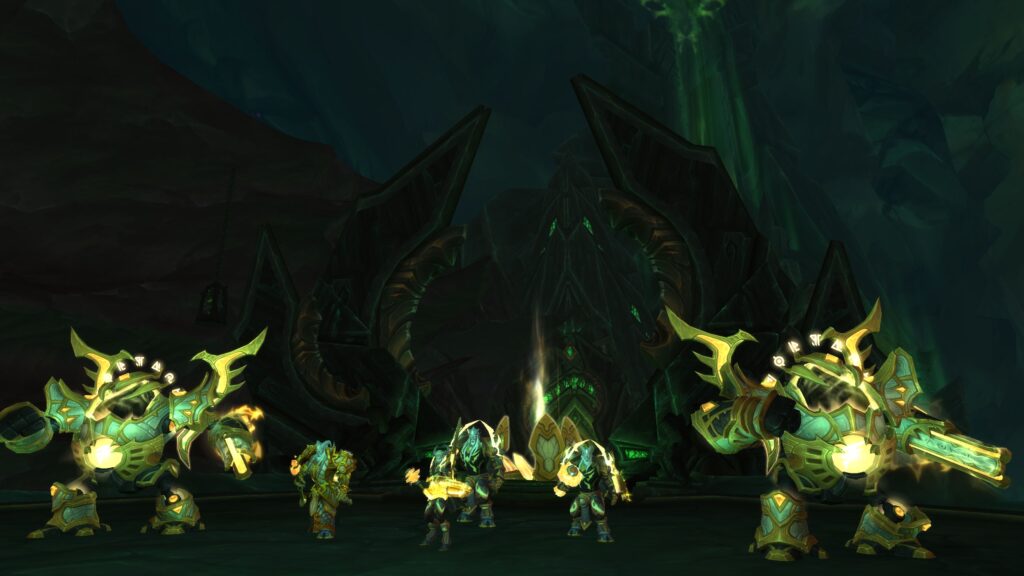
When you engage in 40-man raids, server load considerably increases, impacting performance and player experience. More players mean higher CPU and memory usage, which can lead to lag and latency issues. Network bandwidth is also strained as more data is transmitted. These technical challenges require careful optimization and robust server management to guarantee smooth gameplay. Despite these hurdles, larger raids enhance the social and strategic aspects of the game.
What Rewards or Loot Differences Exist in 40-Man Raids?
In 40-man raids, loot distribution is more exclusive, as each boss drops a limited number of items, typically only two pieces, resulting in one piece per 20 players. Gear rarity is substantial, with items often being Best-in-Slot for the entire season, making them highly coveted. This scarcity creates intense competition and a reliance on guild politics or luck to acquire desired items, greatly impacting player progression and creating a meaningful loot experience.
Are There Specific Mods Recommended for 40-Man Raiding?
As the saying goes, “forewarned is forearmed,” and in 40-man raids, UI customization is essential. You should use Raid Addons like Deadly Boss Mods and BigWigs for tracking boss mechanics, ensuring you’re prepared for every encounter. Omen Threat Meter helps manage threat, while Grid or Healbot assists healers in monitoring health bars. Recount or Skada tracks damage output, optimizing performance. These tools streamline your raid experience, making coordination more efficient.
How Do 40-Man Raids Affect Player Progression Speed?
In 40-man raids, player progression speed varies with player skill and raid dynamics. Skilled players can expedite progression by carrying less experienced teammates, enhancing overall raid effectiveness. However, coordinating a large group requires meticulous planning, which can slow down progression. The diverse skill levels within the raid allow for flexibility, but balancing these dynamics is vital for efficient advancement through content, impacting the rate at which your team progresses.
What Is the Average Time Commitment for a 40-Man Raid?
When you’re involved in a 40-man raid, expect a significant time commitment. Raid preparation alone can take several hours, as you’ll need to gather gear and consumables. Team coordination is essential, often requiring multiple nights each week, with sessions lasting several hours. The actual raid can range from three to five hours, depending on the group’s efficiency and familiarity with the raid. Overall, it’s a demanding yet rewarding endeavor.
Conclusion
When you participate in a 40-man raid in WoW Classic, it’s like orchestrating a symphony, where each player’s role is essential for success. This large-scale collaboration tests your strategic thinking, as you coordinate with guild members to overcome complex challenges. While nostalgia fuels your passion for these epic encounters, the historical significance and intricate dynamics of guilds keep you engaged. Despite criticisms, the camaraderie and unique experiences make these raids a cornerstone of your gaming adventure.