Scholomance Castle, a haunting dungeon in the original World of Warcraft, is renowned for its eerie atmosphere and chilling lore. As players navigated its dark corridors, they encountered a blend of horror elements and intricate gameplay mechanics that set it apart from other dungeons. This guide delves into the essential aspects of Scholomance, exploring its design, challenges, and strategies for conquering this iconic location.
What Makes Scholomance Castle a Unique Experience in World of Warcraft?
Scholomance Castle stands out due to its immersive horror theme, intricate design, and challenging encounters that demand strategic gameplay.
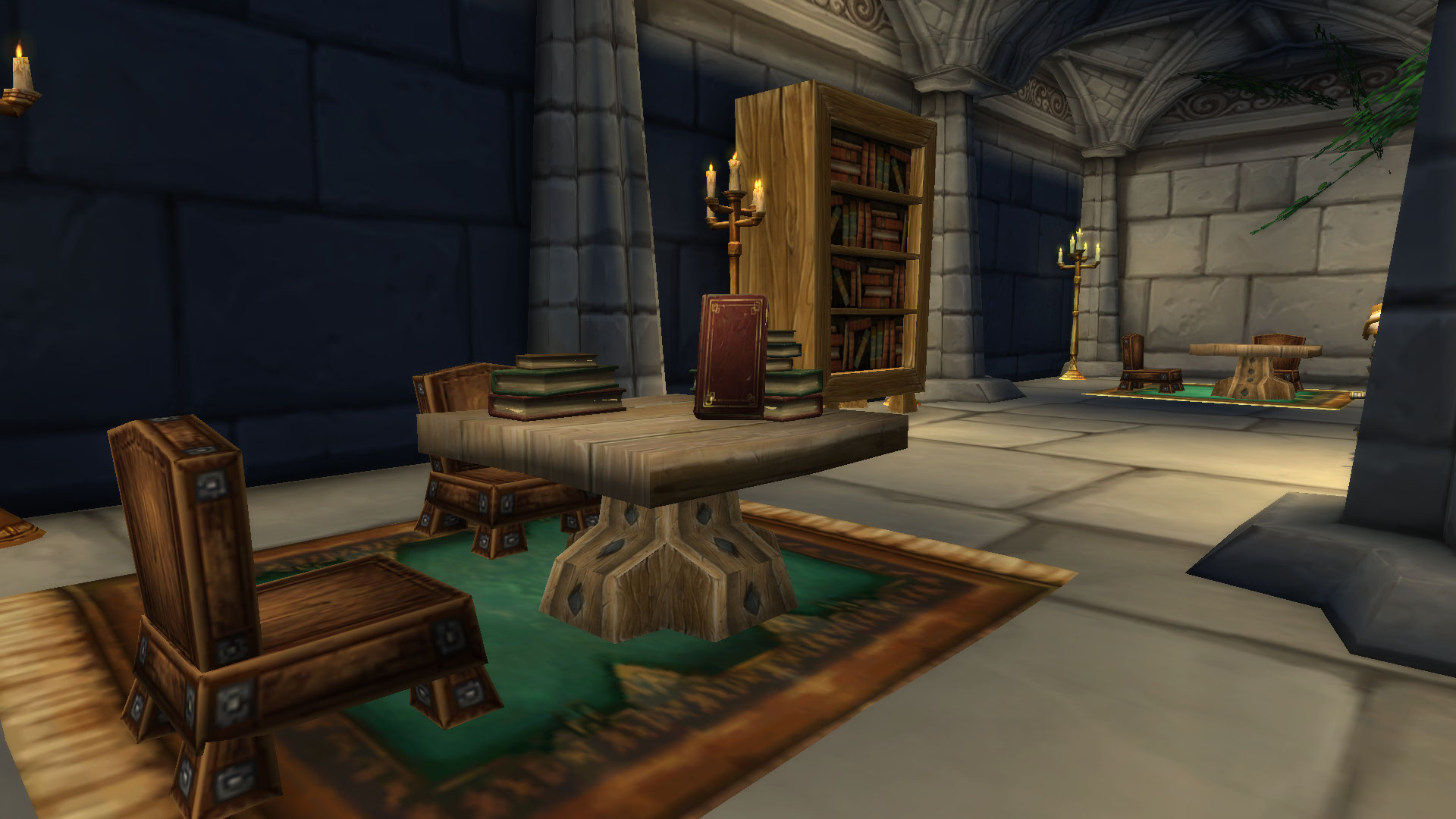
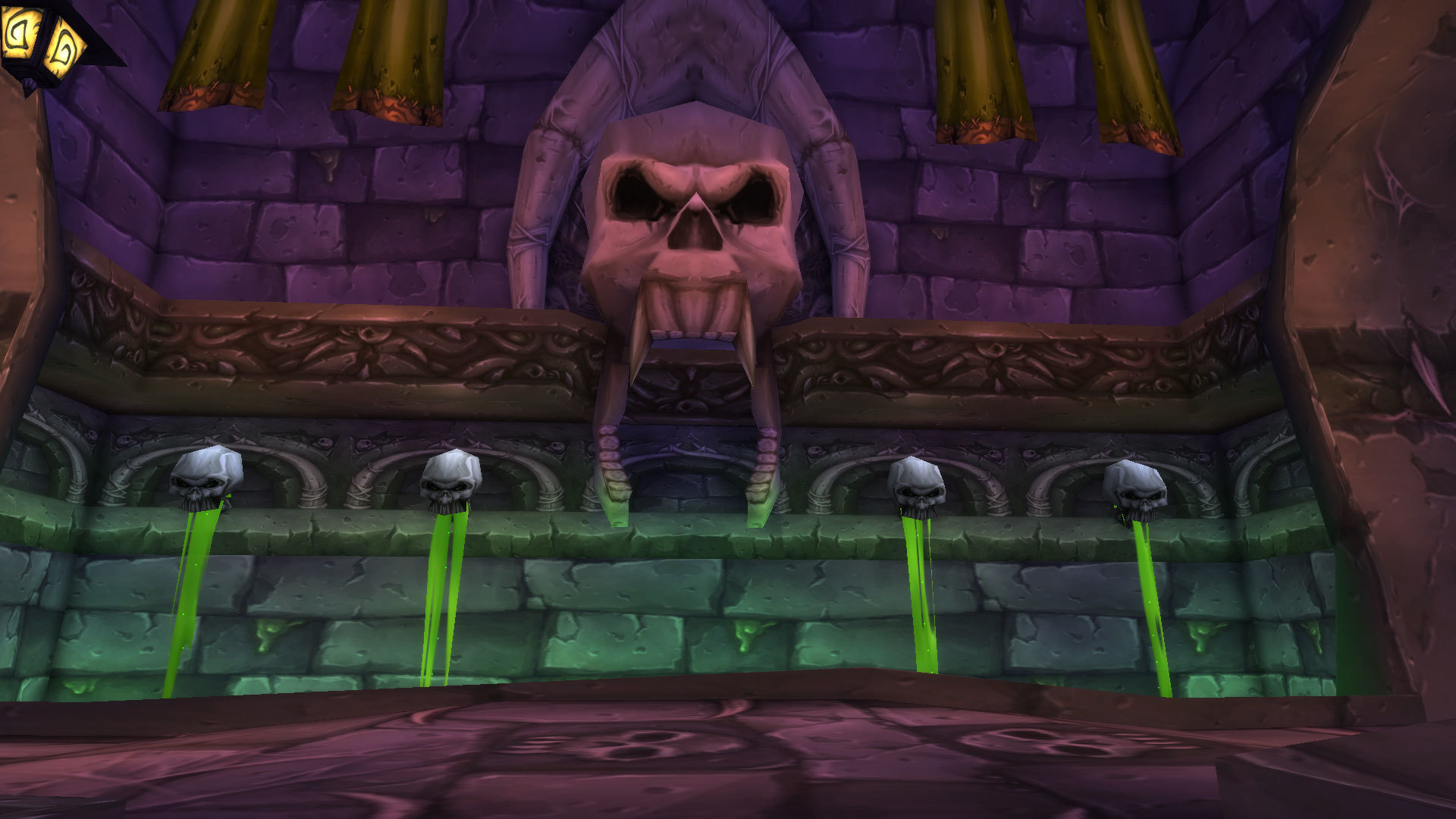
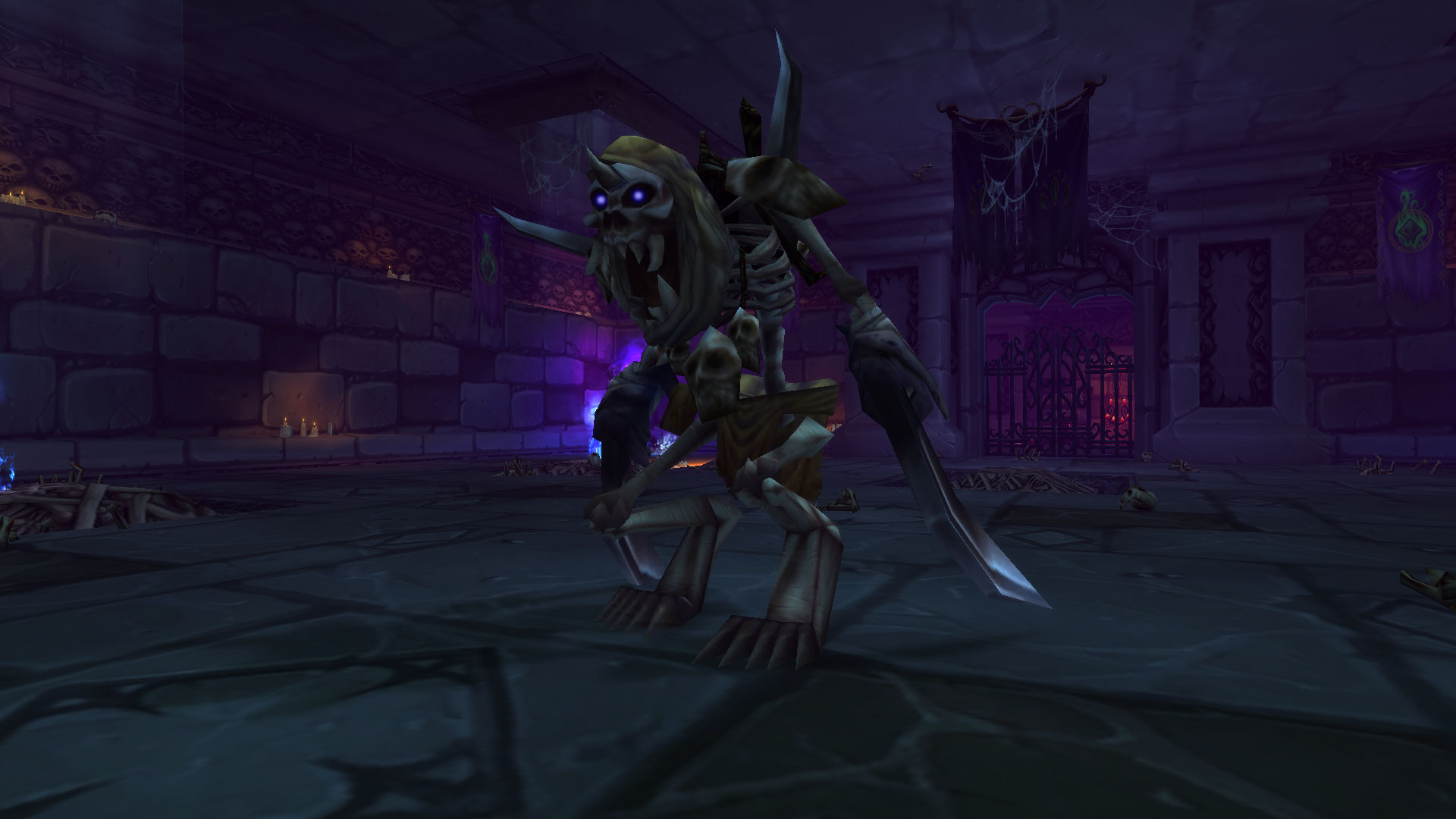
The atmosphere of Scholomance is crafted to evoke a sense of dread and suspense, reminiscent of classic horror films. Players traverse through dimly lit hallways filled with undead creatures, spectral apparitions, and dark magic, which enhances the overall experience. The lore surrounding the castle, tied to the Scourge and necromancy, adds depth to the setting, making it not just a dungeon but a narrative-driven adventure. This combination of thematic elements and gameplay mechanics creates a unique experience that resonates with players seeking both challenge and immersion.
Mechanically, Scholomance features a variety of encounters that require players to adapt their strategies. The dungeon is filled with different types of undead enemies, each with unique abilities and weaknesses. For instance, the presence of spellcasters like the Necromancers and the various types of ghouls necessitates a balanced party composition. Players must be prepared to manage crowd control, healing, and damage output effectively to succeed. The intricate design of the dungeon, with its multiple floors and hidden areas, encourages exploration and strategic planning, making each run feel fresh and engaging.
To conquer Scholomance, players should familiarize themselves with the layout and enemy mechanics. Understanding the strengths and weaknesses of each boss and their minions is crucial. For example, knowing when to interrupt spellcasting or when to focus fire on specific targets can make a significant difference in the outcome of encounters. Additionally, utilizing the right gear and consumables can enhance performance, allowing players to tackle the challenges of Scholomance with confidence.
How Can Players Prepare for a Scholomance Run?
Preparation for a Scholomance run involves understanding the dungeon layout, enemy mechanics, and optimal party composition to ensure success.
Before entering Scholomance, players should gather a well-rounded group that includes a tank, healer, and damage dealers. This composition is essential for managing the various encounters effectively. Additionally, players should ensure they have the necessary consumables, such as potions and food buffs, to maximize their performance. Familiarizing oneself with the layout of the dungeon can also provide a strategic advantage, allowing players to navigate more efficiently and avoid unnecessary encounters.
- Review the dungeon map and identify key areas, such as boss locations and potential traps.
- Gather consumables that enhance stats, such as elixirs and food buffs, to improve overall performance.
- Coordinate with your party to establish roles and strategies for each encounter, ensuring everyone understands their responsibilities.
- Practice crowd control techniques to manage large groups of enemies effectively, reducing the risk of overwhelming your party.
In addition to the above steps, players should consider their gear and enchantments. Ensuring that your equipment is up to date and appropriately enchanted can significantly impact your effectiveness in combat. Players should also be aware of the specific mechanics of each boss fight, as some may require unique strategies or positioning to overcome. For example, understanding the importance of interrupting a Necromancer’s spellcasting can prevent devastating damage to your party.
What Are the Key Bosses and Their Mechanics in Scholomance?
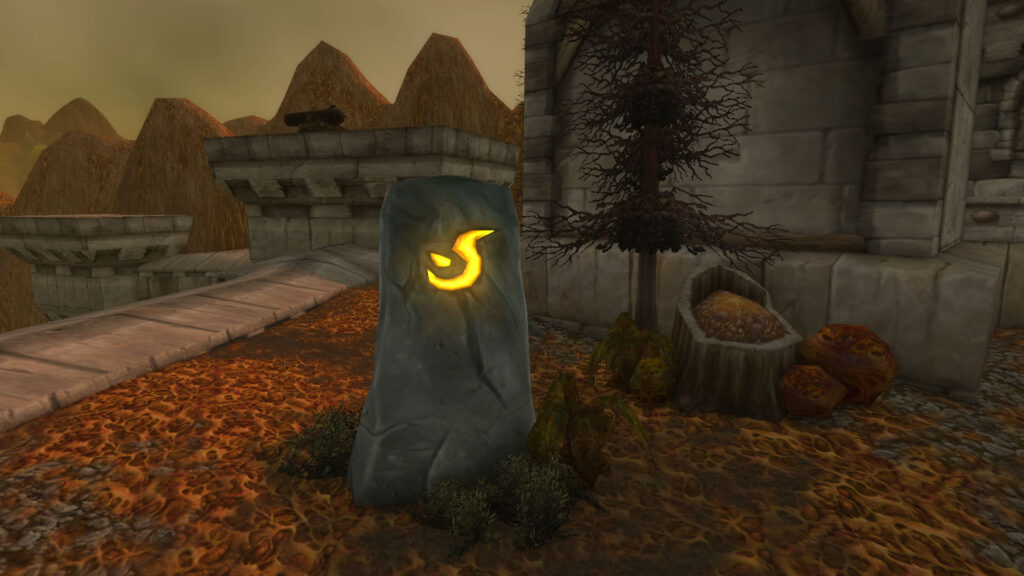
Scholomance features several key bosses, each with unique mechanics that challenge players and require specific strategies to defeat.
The bosses in Scholomance are designed to test players’ coordination and understanding of game mechanics. For instance, the fight against Darkmaster Gandling requires players to manage adds while avoiding his powerful spells. Each boss encounter typically introduces unique mechanics that can significantly alter the flow of battle, such as summoning additional enemies or casting debilitating spells. Understanding these mechanics is crucial for success, as they often dictate the strategy players must employ to overcome each challenge.
| Boss Name | Key Mechanics | Recommended Strategy | Loot Drops |
|---|---|---|---|
| Darkmaster Gandling | Summons adds, powerful AoE spells | Focus on adds, interrupt spells | Robes of the Guardian, Staff of the Forgotten One |
| Jandice Barov | Illusions, area damage | Identify and target the real Jandice | Barov Peasant Caller, Cloak of the Unseen Path |
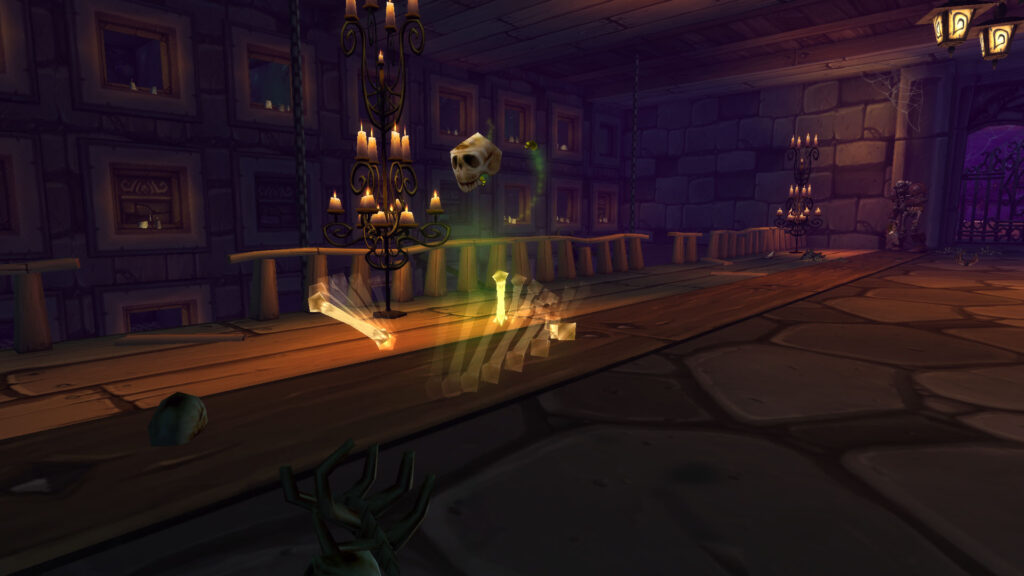
| Rattlegore | High melee damage, summons skeletons | Control adds, focus fire on Rattlegore | Rattlegore’s Bone, Girdle of the Fallen Crusader |
Each boss in Scholomance not only presents unique challenges but also rewards players with valuable loot. Understanding the mechanics of each fight allows players to devise effective strategies, ensuring they can overcome the challenges presented. For example, during the Jandice Barov encounter, players must quickly identify the real target among her illusions, which requires keen observation and communication within the party. By mastering these encounters, players can maximize their efficiency and loot acquisition in Scholomance.
What Advanced Strategies Can Players Use in Scholomance?
Advanced strategies in Scholomance involve optimizing party roles, utilizing environmental advantages, and mastering boss mechanics for efficient runs.
To excel in Scholomance, players should not only focus on their individual roles but also on how they can synergize with their teammates. For example, a well-timed crowd control ability can prevent overwhelming situations, allowing the tank to manage aggro more effectively. Additionally, understanding the positioning of enemies and utilizing the environment can provide strategic advantages during encounters. Players should be aware of choke points and areas where they can funnel enemies to minimize damage taken.
Another advanced strategy involves the use of cooldowns and resource management. Players should coordinate their cooldowns to ensure that they are available during critical moments, such as when a boss is about to unleash a powerful attack. This requires communication and foresight, as players must anticipate when to use their abilities for maximum impact. Furthermore, managing resources such as mana and health is essential, as running out during a critical moment can lead to failure. Players should be prepared with potions and other resources to sustain their performance throughout the dungeon.
Finally, practicing specific encounters can significantly improve a party’s efficiency. By running Scholomance multiple times, players can refine their strategies and learn from past mistakes. This iterative process allows players to develop a deeper understanding of each boss’s mechanics and how to counter them effectively. For instance, learning the timing of Darkmaster Gandling’s AoE spells can help players position themselves better and avoid unnecessary damage. By continuously improving their strategies, players can achieve faster clear times and more successful runs.
What Are the Best Practices for Farming Scholomance?
Farming Scholomance effectively requires a combination of efficient routing, optimal party composition, and knowledge of loot mechanics.
To maximize efficiency while farming Scholomance, players should establish a clear route that minimizes downtime and maximizes kill efficiency. This involves understanding the layout of the dungeon and planning the order in which to tackle bosses and mobs. Players should also consider the respawn timers of enemies to ensure they are not wasting time waiting for them to reappear. By establishing a consistent route, players can streamline their runs and increase the number of clears per hour.
Additionally, optimal party composition plays a crucial role in farming efficiency. A balanced group that can handle both damage and healing is essential for maintaining momentum throughout the dungeon. Players should also communicate effectively to ensure that everyone is aware of their roles and responsibilities during encounters. This coordination can significantly reduce the time spent on each boss and improve overall clear times.
Finally, understanding the loot mechanics in Scholomance can enhance farming efficiency. Players should be aware of which bosses drop specific items and prioritize their kills accordingly. For example, targeting bosses known for high-value loot can increase the chances of obtaining rare items. Furthermore, players should consider using loot distribution methods that ensure fair sharing among party members, which can enhance group cohesion and encourage repeat runs.
Frequently Asked Questions
What level should I be to enter Scholomance?
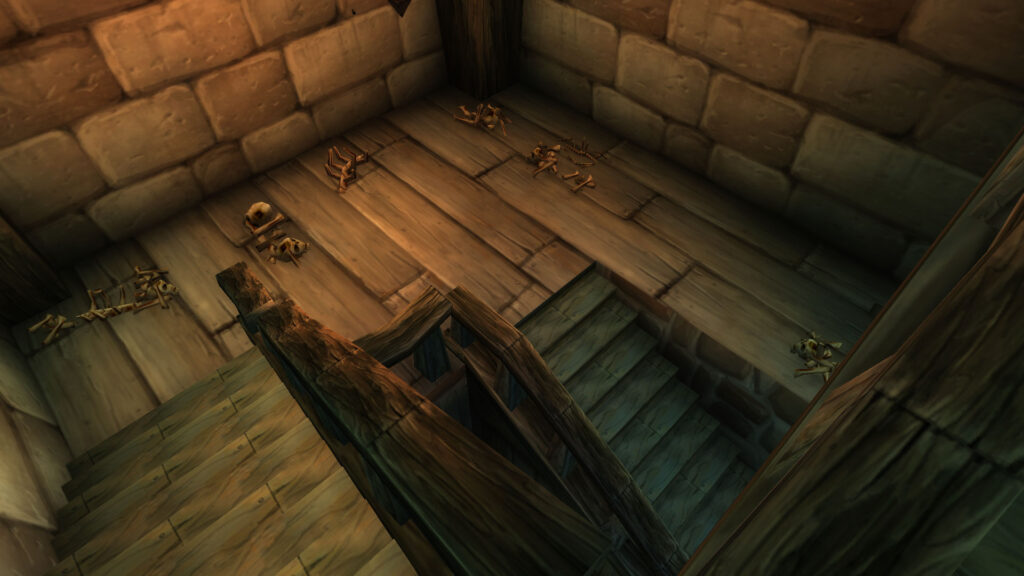
Players typically should be around level 58-60 to enter Scholomance comfortably. This level range ensures that players have the necessary skills and gear to handle the challenges within the dungeon effectively.
Can I solo Scholomance?
While it is possible to solo Scholomance, it is highly recommended to enter with a group. The mechanics and enemy density can be overwhelming for solo players, making it challenging to complete the dungeon efficiently.
What is the best class for running Scholomance?
There is no definitive best class for running Scholomance, as a balanced group composition is ideal. However, classes with strong crowd control and healing capabilities, such as Priests and Mages, can excel in this dungeon due to the mechanics involved.