In WoW’s Midnight Expansion, player housing dramatically impacts raiding dynamics through extensive customization options, allowing expressions of personal style while enhancing engagement. Housing offers private, instanced spaces for social interaction, fostering coordination within guilds, essential for successful raids. However, these features could divert attention from raiding if they’re too enchanting. Blending enjoyment of housing with focus on raiding requires careful balance. There’s more to explore regarding integrating housing with existing game systems.
Key Takeaways
- Extensive housing features may divert player focus from raiding to home customization activities.
- Guild halls offer private spaces for strategy discussions, potentially improving raid coordination.
- Iconic decoration items could serve as trophies, motivating players to achieve raiding milestones.
- Instanced housing might reduce public social interactions, necessitating city updates to maintain player engagement.
- Housing should remain optional to avoid impacting raiding progression or granting gameplay advantages.
Customization Options and Their Influence on Player Engagement
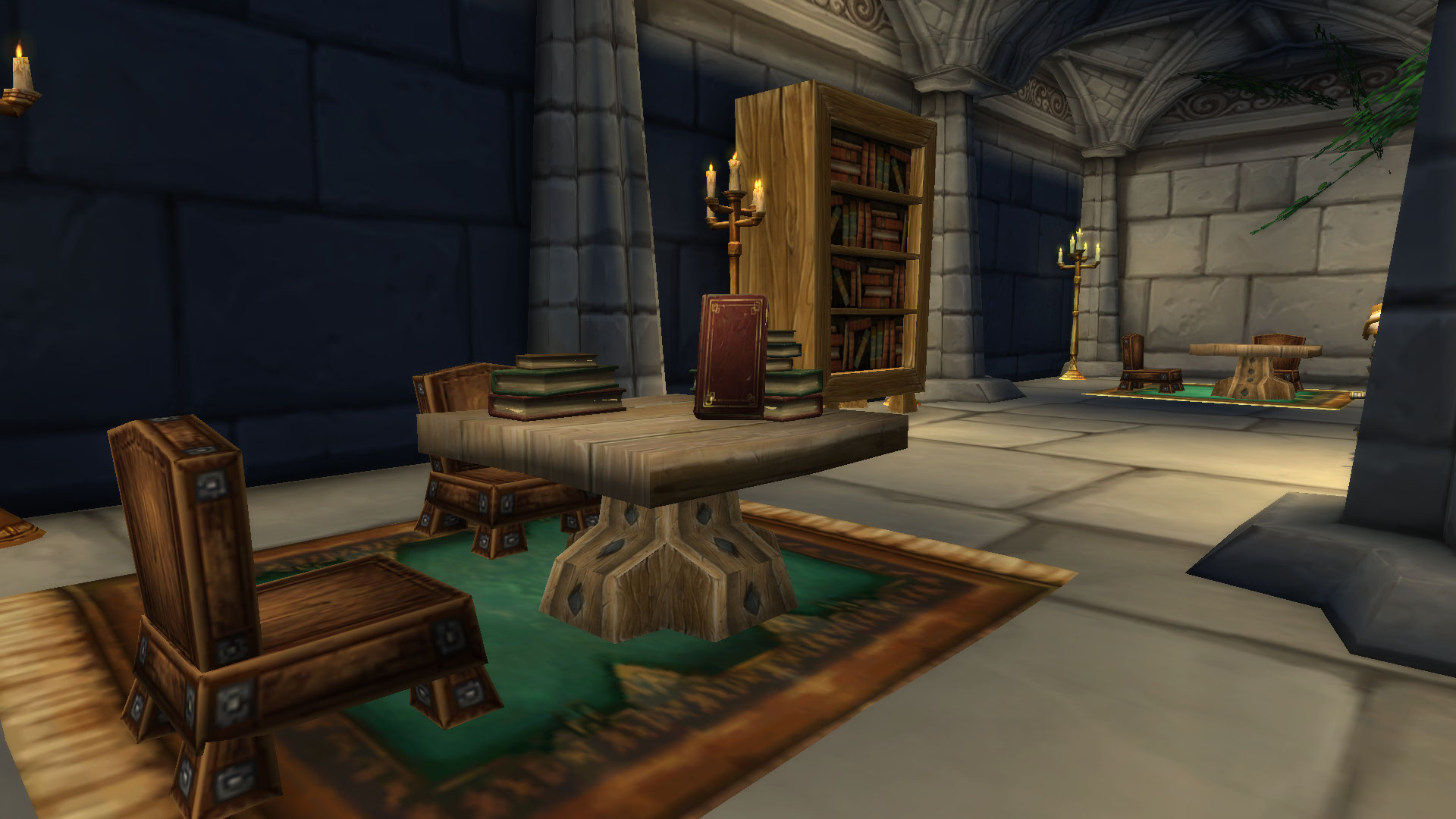
When it comes to customization options in WoW’s player housing, the game offers a variety of features that greatly enhance player engagement. You can showcase iconic items like Onyxia’s Head as trophies, creating a sense of achievement and pride. Furniture and decorations, including beds, tables, target dummies, and shelves, allow you to tailor your space to reflect your personal style. Lighting and ambiance features, such as fireplaces, add a cozy touch to your virtual home.
The depth of customization remains somewhat unclear, but there’s potential for race or class-themed interiors. Datamined files hint at both interior and exterior decoration possibilities, sparking enthusiasm in the community. Personalizing your space fosters creative expression and engagement, as you make it uniquely yours. Players are keen to provide feedback, ensuring the housing system meets expectations. This evergreen feature promises ongoing interest, as it isn’t tied to player power progression. Further details are expected in future announcements, which will likely shed light on these exciting possibilities.
Social Dynamics Enhanced by Instanced Housing
In the domain of WoW, instanced housing enhances player interaction by creating spaces where you can gather with others, fostering a sense of community through shared experiences. These housing instances strengthen guild bonds by providing dedicated areas for members to collaborate, making it easier to coordinate activities like raid planning and social events. By offering a private yet communal environment, player housing encourages collaboration and teamwork, essential for successful raid team coordination and execution. Unlike the previous implementation of garrisons, which received criticism for world immersion issues, future player housing should aim to enhance the connection players have with the game world.
Enhanced Player Interaction
While instanced housing in World of Warcraft provides private environments, it considerably enhances social dynamics by fostering interactions within invited groups. You can customize your personal space, much like mounts, which boosts engagement and creativity. These houses can serve as social spaces, encouraging dynamic interactions similar to those seen in other MMOs like Final Fantasy XIV. Although instanced housing may limit spontaneous interactions, it promotes focused social activities within your chosen group. As a long-term feature, player housing promises continuous updates to enrich these dynamics. However, it might reduce public interactions in cities, potentially making them feel emptier. To balance this, cities could be updated to maintain their role as bustling social hubs, preserving community engagement effectively. Player Housing is designed to avoid creating an isolating experience for players, maintaining social interactions within the game world.
Strengthened Guild Bonds
Expanding on the enhanced interactions offered by player housing, the instanced housing in World of Warcraft greatly strengthens guild bonds by providing a dedicated space for members to express their collective identity. Customizable guild interiors allow you to showcase achievements and reflect your guild’s values through shared decorations, fostering a sense of community and ownership. Unique guild halls within cities promote belonging and pride, serving as social hubs where members gather outside of raids to interact and host events. Player housing should not be too isolated from major hubs like Orgrimmar or Ironforge, ensuring that these spaces facilitate community building rather than isolation. By reducing isolation through integration near major hubs, these spaces facilitate community building and player expression, leading to stronger social bonds. This approach not only increases loyalty and cohesion among guild members but also serves as an effective recruitment tool.
Coordinated Raid Teams
By enhancing social dynamics through instanced housing, World of Warcraft offers raid teams a unique opportunity to improve their coordination and teamwork. Instanced housing provides a private space where your team can discuss strategies without distractions, fostering better communication. You can host team-building activities within your customized home, enhancing camaraderie and team dynamics. These personalized meeting spaces allow you to plan and execute strategies effectively, supported by strategic planning tools that might be integrated into the housing features. Roleplay opportunities within these homes can further strengthen team cohesion. Furthermore, instanced housing encourages direct player interaction and serves as a social hub, enhancing social dynamics. Collaborative decorations can also foster creativity and teamwork among your raid team members.
Guild Housing as a Catalyst for Stronger Raid Teams
With guild housing acting as a central hub for your team, you can strengthen guild cohesion by providing a shared space where members can interact and bond. This shared environment not only facilitates strategic planning and role distribution but also enhances communication through features like proximity voice chat, which improves coordination in raids. By showcasing achievements and fostering community events within this space, guild housing can serve as a motivational catalyst, boosting morale and increasing raid participation.
Enhanced Guild Cohesion
Guild housing can greatly elevate guild cohesion, acting as a catalyst for stronger raid teams by fostering a tangible sense of identity and belonging among its members. When you enter your guild’s hall, you experience a unique sense of community, as it’s a space that embodies your guild’s identity. This environment encourages social interaction, key for building raid teams that thrive on teamwork and strategy. A guild hall serves as a hub for organizing raid activities, enhancing communication and cohesion among team members. Customization options allow for personal touches, instilling pride and motivating participation in guild activities. Displaying raid achievements boosts morale, reinforcing a sense of accomplishment. These elements collectively enhance recruitment and retention, securing a vibrant, engaged guild.
Shared Space Benefits
While exploring the concept of shared spaces in the domain of player housing, it’s evident that guild housing can markedly strengthen raid teams by providing a centralized hub for community building and strategic activities. Guild housing offers numerous benefits, enhancing teamwork and communication, hosting team-building events, and facilitating resource sharing and strategic planning. Enhanced social bonds and increased motivation can lead to improved raid performance. The centralized organization that guild housing provides guarantees seamless coordination, allowing guilds to manage resources effectively and prepare for challenging raids. Additionally, it fosters community engagement, potentially attracting new members. Here’s a snapshot of the advantages:
| Benefit | Impact on Raids |
|---|---|
| Centralized Organization | Better Coordination |
| Improved Communication | Enhanced Teamwork |
| Team Building Activities | Stronger Social Bonds |
The Balance Between Housing Enjoyment and Raiding Focus
Although player housing offers a new dimension of enjoyment in the Midnight expansion, it presents a challenge in maintaining the balance between housing activities and raiding focus. Player housing could potentially shift your attention from raiding, especially if customization options are extensive and visually appealing. As a player, you might find yourself more engaged with designing your space, especially if housing integrates with crafting or questing. This shift in focus could impact raiding participation, especially if the housing features are compelling enough to draw you in.
Balancing resource allocation is essential for Blizzard, ensuring both housing and raiding content receive equal attention. Understanding player preferences is key; while some might prefer the creative aspects of housing, others will remain dedicated to raiding. Maintaining a balanced community requires offering varied gameplay options and ensuring housing remains accessible to all, regardless of skill level, fostering engagement across different playstyles.
Lessons Learned From the Garrison System
Reflecting on the Garrison system from previous expansions, it’s clear that this feature offered both benefits and challenges that can inform the development of player housing in WoW. Garrisons allowed for a degree of customization and personalization, enhancing gameplay with strategic elements like resource management and follower missions. However, they also had drawbacks, such as reducing social interaction. Here’s what we learned:
- Customization Opportunities: Garrisons featured various building types and follower traits, which provided tailored gameplay experiences and impacted character progression.
- Social Integration: Despite their engaging mechanics, Garrisons sometimes isolated players from social hubs, highlighting the need for future housing to encourage interaction.
- Strategic Gameplay: Managing resources and followers required strategic decision-making, offering long-term engagement but needing better integration with the broader game world.
Addressing Community Expectations and Concerns
As players enthusiastically anticipate the introduction of player housing in WoW, addressing community expectations and concerns becomes vital to its successful implementation. Player housing has long been requested, with many seeking a personal space to express creativity. The community expects diverse customization options, akin to other MMOs, allowing players to personalize their spaces without impacting gameplay balance. Some players prefer guild housing, suggesting a collective space for activities and socializing, potentially enhancing community interactions and coordinating raid teams.
Phasing or instancing may be necessary to manage large numbers and avoid overcrowding. While housing is not intended to impact raiding directly, there are concerns it might distract from core activities. It’s essential to guarantee housing remains an optional, cosmetic feature without offering gameplay advantages. Continuous community feedback will help balance housing and raiding content, ensuring both elements meet player expectations and maintain engagement.
Overcoming Design Challenges for Seamless Integration
Successfully addressing community expectations sets the stage for tackling design challenges that guarantee player housing integrates seamlessly into World of Warcraft. You need to take into account several vital aspects to guarantee a smooth experience. First, balancing customization and performance is essential. Offering diverse house designs should not lead to lag or server overload. Reflect on these strategies:
- Limit customization to specific zones to maintain stability.
- Introduce a “save house” feature to manage different setups.
- Use the Garrisons system from Warlords of Draenor as a cautionary example.
Avoiding isolation is another key challenge. Player housing should encourage social interaction rather than create a solitary experience. Design the system to keep players engaged with the broader game world, letting them congregate outside homes in public areas. Finally, guarantee seamless integration with existing features, like Warbands, by offering class-specific furniture and complementing professions, enhancing the overall gameplay experience.
Long-Term Viability and Support Beyond Midnight
While player housing in World of Warcraft is set to become a long-term feature beyond the Midnight expansion, it will require ongoing updates and support to maintain its viability. The feature’s evolution will include integrating with account-wide systems for enhanced accessibility across characters. Future updates might provide more customization options, akin to character customization menus, ensuring players can tailor their homes to their liking. Housing will likely interact with existing features like transmog collections and raid rewards, offering new gameplay mechanics that enhance player experience.
The 2025 roadmap indicates that housing will remain essential post-Midnight, with potential early releases. However, managing instanced housing for WoW’s large player base presents technical challenges, requiring robust server infrastructure. The feature could become integral in future expansions, influencing game content and potentially becoming a significant revenue stream through cash shop items and exclusive decorations, thereby supporting the game’s monetization strategies.
Community Feedback and Its Role in Housing Development
Community feedback plays a crucial role in shaping the development of player housing in World of Warcraft, as it reflects the desires and expectations of the game’s diverse player base. Players have long awaited this feature, hoping for enhanced engagement without affecting raiding. By listening to the community, developers can address several key points:
- Customization and Display: Players want to personalize their spaces, displaying items like in other MMOs, guaranteeing homes feel unique and meaningful.
- Guild Housing Integration: There’s significant interest in collective spaces, where guilds can work on projects and socialize, enriching the overall game experience.
- Optional Content: To avoid another Garrison scenario, housing should remain voluntary, with no ties to player progression, keeping it as a purely creative and social outlet.
These elements guarantee housing meets player expectations, enhancing creativity and social interactions without disrupting core game mechanics.
Frequently Asked Questions
Will Player Housing Impact Raid Scheduling or Time Commitment?
Player housing will affect raid scheduling and time commitment based on your priorities. You’ll likely spend time customizing your home, which could reduce available time for raiding. However, housing is optional, so you can choose how to balance both. Housing might foster community interactions, potentially leading to more organized raid groups. Ultimately, effective time management will be essential to balancing housing and raiding activities according to your preferences.
Can Housing Activities Distract Players From Raid Preparation?
Imagine your character’s home filled with trophies, vibrant furniture, and personalized decor. It’s easy to get lost in this immersive housing feature, which could detract from raid preparation. You might find yourself spending time on home customization, managing resources for housing improvements, or engaging in community events like home tours. These activities could shift your focus from raid goals, alter your priorities, and potentially affect your motivation to participate in raids.
How Might Housing Affect Player Focus During Raid Progression?
You might find that player housing affects your focus during raid progression by drawing your attention to customization and home management tasks. With housing offering new activities, you could allocate less time to raiding. This shift might lead to decreased raid participation, as the social and creative aspects of housing could attract you away from raids. Additionally, balancing these new responsibilities might challenge your usual raid preparation and commitment.
Will Housing Introduce New Social Dynamics Affecting Raid Team Synergy?
Player housing will introduce new social dynamics affecting raid team synergy by fostering community, enhancing communication, and strengthening bonds. You’ll find housing serves as a social hub, encouraging interactions outside raids, boosting morale, and improving performance. Housing features like customization and teleportation mechanics aid in forming cohesive teams, while integration with guild activities enhances cooperation. Ultimately, housing encourages active participation, offering a platform for strategic discussions and community events, thereby enhancing overall raid synergy.
Could Player Housing Lead to Fewer Players Participating in Raids?
Player housing could indeed reduce raid participation. By focusing on customization and collection, players might shift their interests from raids to personalizing their homes. Additionally, the introduction of new economic elements, such as crafting or trading furniture, could divert attention. Social interactions within housing environments might further diminish raid activity, as players engage more with community building. Ultimately, housing presents an alternative endgame that could decrease traditional raid involvement.
Conclusion
In considering player housing‘s impact on raiding within the Midnight expansion, the potential for increased player engagement and enhanced social dynamics is clear. Could guild housing transform your raid team into an even more cohesive unit? By learning from past systems like Garrisons and addressing community expectations, developers aim to balance housing enjoyment with raiding focus. Overcoming design challenges guarantees seamless integration, promoting long-term viability. Ultimately, community feedback will guide housing development, shaping a richer player experience.