In WoW raids, preparation is key: guarantee your gear meets requirements and stock up on consumables. Master the boss mechanics, practice positioning, and use cooldowns effectively. Watch out for raid-wide hazards, and control your aggro to prevent wiping. Communication is crucial; use voice tools for strategy updates, and analyze raid logs for improvement. By avoiding these common pitfalls, you’ll contribute to your team’s success and discover more techniques for optimizing your raid performance.
Key Takeaways
- Master boss abilities to anticipate mechanics and avoid common raid mistakes.
- Coordinate with the team to manage debuffs and prevent unnecessary damage.
- Allow tanks to establish threat before engaging in combat to avoid pulling aggro.
- Use communication tools for real-time updates and strategy adjustments.
- Conduct post-raid reviews to identify and implement improvements.
Pre-Raid Preparation Essentials

Preparing for a World of Warcraft raid demands meticulous attention to several pre-raid essentials, guaranteeing your character is fully equipped and ready for any challenge. Start with a thorough gear assessment, evaluating your current equipment to confirm it meets the raid’s requirements. Identify opportunities for upgrades, focusing on enhancing your critical strike chance for improved performance. If needed, farm dungeons or raids to acquire better gear, and don’t hesitate to use the auction house for essential pieces.
Next, develop a solid consumable strategy. Stock up on flasks, potions, and food to provide necessary stat boosts and emergency healing options during the raid. Confirm you have augment runes for further gear enhancements. It’s crucial to be self-sufficient, carrying your own consumables to avoid reliance on teammates. Strategically use these items during key raid moments, maximizing their impact and enhancing your overall effectiveness in the heat of battle. Regularly check for better gear drops and consult experienced raiders for recommendations to ensure you are always raid-ready.
Understanding Key Raid Mechanics
Understanding key raid mechanics in World of Warcraft requires mastery of boss abilities, as each encounter presents unique challenges with specific attack patterns, debuffs, and environmental hazards that must be managed effectively. You’ll need to coordinate with your team to handle debuffs promptly, ensuring they don’t stack or spread to others, while also maneuvering around environmental dangers like fire patches or poison pools that can cause significant damage if not avoided. Effective mitigation strategies, especially for tanks, are essential to withstand high-damage abilities and keep the group alive. By focusing on these elements, you enhance your raid awareness and contribute to a more successful completion of encounters.
Mastering Boss Abilities
Recognizing the unique abilities of each boss is essential for success in raids, as it allows players to anticipate and respond effectively to challenges. Ability Recognition involves understanding visual cues and audio signals that precede boss actions. Mechanic Adaptation is important; you must swiftly adjust strategies based on these abilities and the raid group’s composition. Team Coordination is critical, requiring clear communication and strategic positioning to manage boss mechanics and mitigate damage. In fights like the one with Razer Gore from Blackwing Lair, understanding the need for a player-controlled NPC adds another layer of complexity to raid dynamics. Practice Simulation using raid simulators and training dummies can hone your reaction times and improve strategy execution. By mastering these elements, you enhance your raid performance, ensuring you and your team can tackle even the most challenging encounters with confidence and skill.
Debuff and Hazard Management
Mastering boss abilities lays the groundwork for the equally important task of managing debuffs and hazards during raids. Effective debuff synergy can greatly enhance your raid’s performance, so prioritize impactful debuffs like Sunder Armor and Hunter’s Mark. Recognize environmental hazards by paying attention to visual and sound cues, which can signal incoming attacks. Proper hazard recognition helps you avoid unnecessary damage. Strategically place debuffs based on boss abilities and adjust as needed, ensuring your team consistently applies and coordinates them for maximum effect. Using debuffs like Decrease Defence can significantly increase your damage potential against raid bosses. Use the table below to summarize key points:
| Aspect | Details |
|---|---|
| Debuff Limitations | Only 16 debuffs per target, choose wisely. |
| Damage Increasing | Sunder Armor, Hunter’s Mark enhance damage output. |
| Hazard Awareness | Recognize visual/sound cues to avoid damage. |
| Debuff Synergy | Combine debuffs for powerful effects. |
| Raid Positioning | Use strategies like stacking or spreading to mitigate area damage. |
Mastering Role Awareness
Mastering role awareness in a raid requires a strong grasp of effective threat management, which involves tanks using taunts and positioning to keep enemies focused on them, ensuring the safety of the team. As a healer, optimizing healing priorities is essential, meaning you must constantly monitor health bars, anticipate incoming damage, and manage your mana efficiently to provide timely heals. By understanding these aspects, you contribute greatly to the team’s success, maintaining control over the encounter and maximizing your role’s impact.
Effective Threat Management
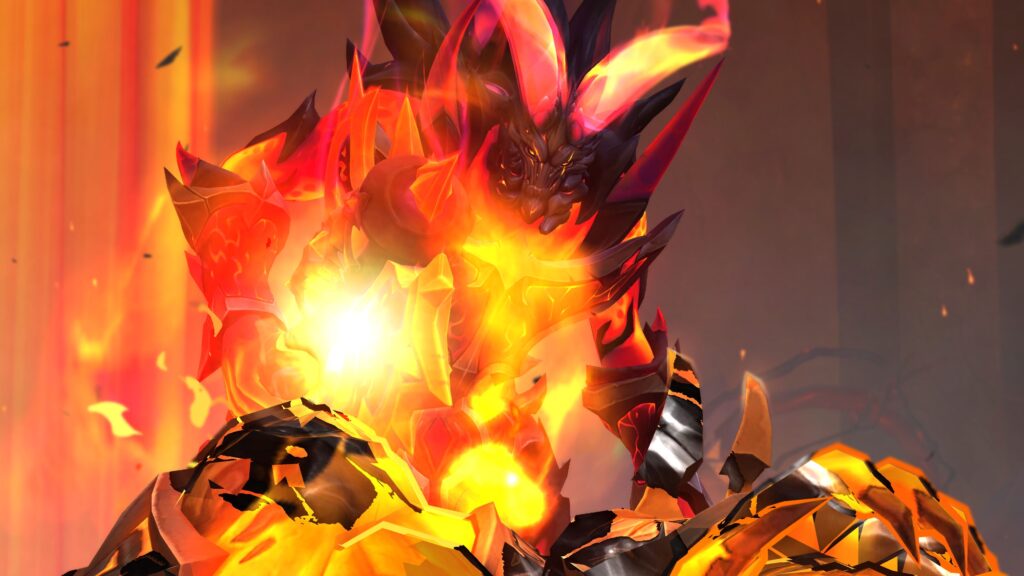
Although mastering role awareness in World of Warcraft raids hinges on understanding threat mechanics, effective threat management goes beyond simply dealing damage or healing. Threat generation occurs when you deal damage or heal, with tanks generating more threat per damage done. Keeping threat decay in mind, understand that threat doesn’t naturally diminish unless specific abilities or encounter mechanics come into play. To manage threat effectively, consider the following:
- Utilize Abilities: Use abilities like Vanish or Fade to reduce your threat, or those that can transfer threat to another player.
- Monitor Threat Meters: Always keep an eye on threat meters to prevent pulling aggro from the tank.
- Position Wisely: Confirm tanks face enemies and stay within healers’ line of sight to maintain defensive capabilities.
Optimizing Healing Priorities
In World of Warcraft raids, optimizing healing priorities is fundamental for maintaining team survival and efficiency. Begin with target prioritization, focusing on tanks who bear the brunt of damage, followed by vulnerable DPS players. Efficient healing strategies involve coordinating with other healers to prevent overlapping heals and maximize healing efficiency. Cooldown management is essential; plan and track cooldowns to use them during high-damage phases. Mana conservation is critical for sustaining your healing output, so utilize passive healing and mana-efficient spells, reserving powerful heals for emergencies. Spell optimization enhances your healing output by selecting the right spells for the situation. Effective coordination and communication with your team will guarantee that your healing strategies contribute to the raid’s overall success.
Avoiding Harmful Situations
Avoiding harmful situations in a World of Warcraft raid requires meticulous attention to detail and preparation, guaranteeing that every member of the team contributes effectively without becoming a liability. To achieve raid readiness, it’s vital to research raid mechanics, align strategies, and equip ideal gear. Here are three key areas to focus on:
- Inadequate Preparation: Research raid mechanics thoroughly to avoid unexpected wipes. Equip your character with ideal gear, consumables, and world buffs to enhance performance. Coordinate strategies with your team before the raid begins to guarantee everyone is on the same page.
- Managing Threat and Aggro: Allow tanks to establish threat before engaging. *Control your damage* and healing output to avoid pulling aggro, and use threat-reducing abilities when necessary.
- Utilizing Cooldowns and Abilities: Use offensive cooldowns regularly and time them with critical fight phases. Don’t ignore defensive cooldowns during intense damage phases; coordinate these with your team for maximum efficiency.
Enhancing Raid Communication
To enhance raid communication effectively, you must prioritize clear role assignments, ensuring every team member knows their responsibilities to minimize confusion during high-pressure encounters. Role clarity is vital; assign tasks before the raid starts so everyone understands their duties. Utilize voice communication tools like Discord or Ventrilo for real-time updates, allowing quick adaptation to changing raid dynamics. Pre-raid briefings provide a thorough overview of strategies and mechanics, setting the stage for a cohesive team effort. In-game communication tools further support this by offering immediate updates during encounters, essential for coordinating complex strategies.
| Communication Tool | Purpose |
|---|---|
| Discord/Ventrilo | Real-time voice communication |
| Pre-Raid Briefing | Strategy and mechanics overview |
| In-Game Chat | Immediate updates during encounters |
| Post-Raid Analysis | Identify communication improvement areas |
Post-raid analysis helps identify and rectify communication weak points, fostering a more synchronized team for future raids. By focusing on role clarity and leveraging voice tools, you’ll enhance overall raid performance.
Optimizing Gear and Consumables
Enhancing raid communication lays the groundwork for successfully tackling raid encounters, but optimizing gear and consumables is equally significant for maximizing your team’s performance. Prioritizing gear with high item levels enhances basic stats and survivability, while focusing on stat priorities like strength and agility increases your damage output. Embrace gear synergies by utilizing set bonuses and legendary items for unique effects, boosting overall damage and performance. Enchantments and gems play an essential role, so select those that align with your character’s needs.
Consumable strategies are critical to your raid success. Use flasks for long-lasting stat boosts, guaranteeing every raid member benefits. Timing potion usage is key—especially during pivotal phases—to enhance damage or recovery. Coordinate food buffs based on class-specific needs and guarantee their strategic application.
- Gear Synergies: Leverage set bonuses and enchantments.
- Consumable Strategies: Optimize flasks, potions, and food buffs.
- Resource Coordination: Sync consumable use with your team.
Continuous Improvement Strategies
While enhancing your team’s raid performance is crucial, continuous improvement strategies play an important role in maintaining and elevating that success. Begin by conducting regular log analysis using tools like Warcraft Logs to pinpoint areas needing improvement. This detailed review helps you identify patterns in mistakes and opportunities for strategic enhancement. UI customization is another key element; tailor your interface to highlight critical debuffs and abilities, guaranteeing essential information is always front and center during encounters.
Next, focus on encounter adaptation—develop and refine encounter routines to effectively anticipate and respond to boss mechanics. This adaptability guarantees your strategies remain effective despite changes in team composition or encounter dynamics. Engaging with the community through forums, guides, and videos also enriches your understanding and provides fresh insights from experienced players. By incorporating these strategies, you’ll consistently improve your raid performance, staying ahead of challenges and maintaining a competitive edge.
Boosting Team Coordination
After establishing continuous improvement strategies, it’s equally important to boost team coordination to elevate raid performance further. Enhancing team synergy starts with effective role allocation. Here are three key strategies:
- Role Assignment: Assign roles based on player strengths and weaknesses to guarantee efficient team synergy. This involves understanding each player’s capabilities and distributing tasks that align with their skills.
- Voice Chat Usage: Utilize real-time communication through voice chat to make quick strategy adjustments during raids. This guarantees everyone is on the same page and can react swiftly to changing situations.
- Role Communication: Maintain open dialogue about role-specific strategies, allowing for flexibility and adjustments as needed. Encourage players to share feedback and discuss any issues with their assigned roles.
Frequently Asked Questions
How Can We Improve Raid Awareness During Hectic Encounters?
To improve raid awareness during hectic encounters, focus on enhancing communication techniques and boosting situational awareness. Use voice communication tools like Discord for real-time updates, ensuring everyone knows their role and objectives. Keep an eye on visual aids like maps and addons to track environmental hazards and boss mechanics, allowing you to anticipate threats. Regularly practice encounters to build muscle memory, and analyze logs to spot areas needing improvement.
What Are Some Effective Methods for Post-Raid Analysis?
You’re probably wondering how to up your game with effective post-raid analysis. Start by using tools like Warcraft Logs to upload and dissect your raid logs. Focus on detailed performance reviews, examining damage, healing, and threat management. Immerse yourself in raid feedback through replay features, pinpointing avoidable mistakes like poor mechanics awareness or resource mismanagement. Consistent analysis will sharpen your strategies and enhance your team’s coordination for future raids.
How Do We Handle Unexpected Player Absence During a Raid?
When handling unexpected player absences during a raid, focus on player communication and contingency planning. Make certain players notify the team promptly about their absence, allowing you to adjust strategies. Utilize tools for tracking attendance and patterns, maintaining a flexible roster of 24-26 players to cover missing roles. Foster role flexibility and adapt scheduling to accommodate varying availabilities, making sure a balanced class composition to maintain raid effectiveness and team coordination.
What Strategies Help Maintain Focus Throughout Long Raid Sessions?
To maintain focus during long raid sessions, prioritize focus techniques and stamina management. Minimize distractions by silencing phones, and use visual aids like maps for better understanding of the raid environment. Regular practice builds muscle memory, enhancing reaction times. Familiarize yourself with the raid map to use environmental features strategically. Stay hydrated and take short breaks to manage stamina, ensuring you remain alert and capable of handling complex situations effectively.
How Can We Integrate New Players Into an Experienced Raid Team?
To integrate new players into an experienced raid team, start by implementing mentorship programs, where seasoned players guide newcomers, providing valuable insights and support. Engage in team building activities to foster strong relationships and enhance communication among team members. This approach allows new players to gradually adapt to the team’s strategies and dynamics, minimizing disruptions. Encouraging open dialogue guarantees new members can comfortably ask questions, seeking clarification on complex raid mechanics.
Conclusion
By focusing on these raid strategies, you’ll greatly enhance your performance and contribute more effectively to your team’s success. Did you know that teams with high communication levels see a 30% increase in raid completion rates? This underscores the importance of clear, concise communication during raids. Remember to stay aware of your role, avoid unnecessary damage, and continuously optimize your gear. With practice and attention to detail, you’ll avoid common mistakes and become a more valuable team member.